· Cinderella 99 × Peach Crescendo ·
Crescendo 99 Regular: Tropical Pheno-Hunter's Hybrid
Crescendo 99 regular seeds — C99 x Peach Crescendo. Tropical terpinolene, 18–24% THC, 8–9 week flower. Pheno-hunter's hybrid at PPS.
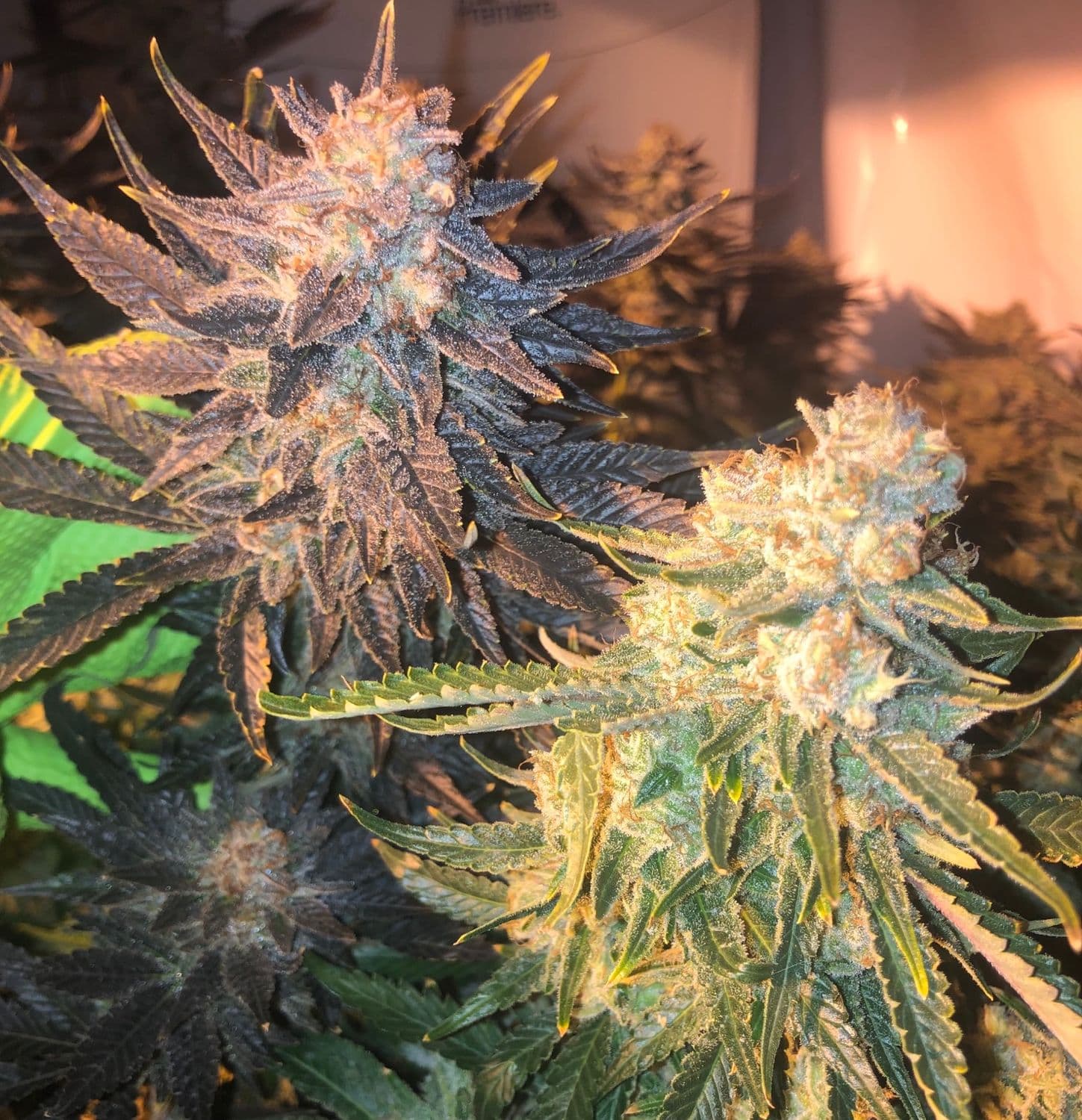
Crescendo 99 Regular crosses Cinderella 99 with Peach Crescendo to deliver a tropical, terpene-driven hybrid built for pheno hunting. Expect 18–24% THC, Terpinolene-led aromas of pineapple, citrus, and candied fruit, and phenotypes ranging from sativa-leaning bright expressions to creamier Crescendo-influenced plants. Flowering runs 8–9 weeks indoors with 450–550 g/m² yields. Outdoor plants finish in late September across Canada. Uplifting, energetic effects suit daytime use. Every 10-pack produces a visible phenotype range, giving growers genuine selection opportunities from a single regular pack.
Overview
Some crosses catch your attention not because they're loud, but because they're interesting. Crescendo 99 is one of those. Built from a cross of Cinderella 99 and Peach Crescendo, this regular hybrid lands somewhere between a classic pheno-hunter's playground and a genuinely productive production strain — a combination that makes it a standout in the Crescendo Line.
C99 is a name that carries real weight in cannabis genetics. The Brothers Grimm line from the 1990s gave growers a stable, sativa-leaning hybrid with pineapple-forward terpenes and a reputation for hitting hard at the top of the canopy. Pair that with Peach Crescendo — a fruit-driven, resin-heavy modern hybrid with a tropical candy profile — and you get a plant that expresses a wide variety of phenotypes, each one worth a closer look.
At Plantation Premium Seeds, we carry Crescendo 99 because it rewards growers who like to pop a pack and see what's hiding in the pheno pool. Every seed in a 10-pack gives you a regular female with the genetic potential to throw tropical fruit, citrus candy, or a sweeter, creamier pineapple fade. For growers in Canada who want something expressive in the garden, this is a strain that invites you to pay attention.
Genetics
What strains make up Crescendo 99?
Crescendo 99 is a direct cross of Cinderella 99 (C99) and Peach Crescendo (bred by Ethos Genetics). Both parents bring documented genetics with distinct personalities, and the hybrid reflects that heritage in ways you can see on the plant and taste in the finished flower.
Cinderella 99 (bred by Brother Grimm Seeds) is a sativa-dominant hybrid developed by Mr. Soul of Brothers Grimm in the late 1990s, traditionally described as a cross of Jack Herer and Shiva Skunk selections. It's known for a pineapple and tropical fruit terpene profile, shorter-than-average flowering for a sativa-leaning plant, and a bright, uplifting high. Growers who have run C99 over the years reliably mention its happy, energetic expression and its tendency to produce compact, resinous flowers unusual for a mostly-sativa line.
Peach Crescendo is the modern side of this cross — a hybrid from the Crescendo Line selected for its sweet, creamy fruit profile and its high resin output. It contributes a fuller, rounder fruit note and a resin density that the C99 side didn't always deliver on its own. Together, the two parents create a hybrid that can lean either toward the brighter citrus-candy Cinderella side or toward the plush peach-cream Crescendo side, depending on which phenotype you pull.
This is why Crescendo 99 is built for pheno hunting. In a 10-pack, expect visible variation in branching, leaf morphology, terpene expression, and finish time — some phenos lean taller and more sativa-structured, while others come in shorter and more lateral. regular cannabis seeds eliminate the need to sex plants, so every seed you pop has a chance of becoming the keeper you want to clone.
Expect a THC range in the 18–24% bracket across most phenos, with CBD staying under 1% — typical for this lineage. The dominant terpenes are Terpinolene and Limonene, with supporting Myrcene and Caryophyllene building the complexity through cure.
Aroma & Effects
What does Crescendo 99 smell and taste like?
Crescendo 99 delivers a tropical, fruit-forward nose that shifts noticeably depending on which phenotype you pull. The shared backbone across the pack is a bright, candied tropical fruit character — pineapple, mango, and a soft citrus lift — with a creamy peach undertone from the Crescendo parent. Terpinolene leads the profile in most phenos, which gives the plant its fresh, herbal-fruity top note; Limonene adds a sharper citrus edge, and Myrcene rounds things out with a ripe-fruit depth.
Through flower, the grow room smells like a candy shop that's been left slightly open on a humid day — sweet, tropical, and almost syrupy by week seven. Expect the terpene intensity to really kick in around week six, when the calyxes start swelling and the resin production ramps. Some phenos push harder on the citrus side and smell almost like pineapple peel; others lean toward the peach-cream direction and smell like a fruit custard.
On the inhale, the flavour tracks the nose closely: tropical fruit and candy up front, with a creamy peach middle and a clean citrus finish. A proper cure — two to three weeks minimum — is where the sweetness rounds out and the herbal Terpinolene edge mellows into something smoother. Rushed flower tastes green; cured flower tastes like dessert.
What effects does Crescendo 99 produce?
Effects lean uplifting and energetic, with a clear-headed cerebral onset that reflects the C99 heritage. Most phenos deliver a bright, sociable high that works well for creative work, conversation, or daytime use. The Peach Crescendo side softens the edges slightly, adding a mild physical ease that prevents the high from feeling too racy or thin.
This is a strain people reach for when they want to stay functional. Expect a mood lift within minutes, good focus through the first hour, and a slow tapering into relaxation as the session progresses. At 18–24% THC across the pheno range, potency is moderate-to-high — experienced consumers will enjoy the clarity, newer users should pace themselves.
Available at PPS
Crescendo 99 Regular
Feminized seeds · shipped across Canada
Growing Guide
How difficult is Crescendo 99 to grow?
Crescendo 99 sits at an intermediate difficulty level. It isn't a plant that demands expert intervention, but the phenotype variation means you need to pay attention to each individual from seed through early veg so you can tailor training and feeding to what each plant is telling you. If you've run a few regular hybrids before, you'll feel at home with this one.
Indoors, the C99 genetics give most phenos a manageable height — shorter than a typical Haze-dominant sativa, but still with enough stretch through the first three weeks of flower that you'll want to plan your vertical space. Expect a 1.5–2x stretch after the flip, depending on phenotype. The Crescendo side adds lateral branching and density, which means good canopy management pays off here.
Outdoors, Crescendo 99 suits Canadian climates that offer a reliable September finish — southern BC, southern Ontario, and sheltered pockets of the Maritimes all work. outdoor cannabis growing in Canada This cross handles mild temperature swings well, but watch humidity in late flower — the denser phenos can trap moisture in the larger colas if airflow is weak. A light defoliation in mid-flower and good lower-canopy ventilation solve most issues before they become problems.
Is Crescendo 99 suitable for training techniques?
Yes, and because this is a pheno-hunting strain, training is how you identify and maximise your keepers. Topping early — around the fourth or fifth node — combined with LST during veg produces a wide, even canopy that rewards the more productive phenos and gives you a clean view of each plant's structure. Sativa-leaning phenos benefit most from aggressive LST to keep stretch in check; the more lateral Crescendo-leaning phenos naturally fill a SCROG net and don't need as much persuasion.
Super-cropping works well on the taller expressions, and FIMing produces good results if you want to slow the plant down and encourage bushier lateral growth. cannabis training techniques During pheno hunt rounds, we run each plant in the same pot size and feed regime so we can compare structure, resin production, and terpene intensity on equal terms.
Flowering & Yield
How long does Crescendo 99 take to flower?
Crescendo 99 flowers in 8 to 9 weeks from the flip to 12/12 for most phenotypes, with the more sativa-leaning expressions occasionally stretching to ten weeks. The C99 heritage keeps the flowering window shorter than you'd expect from a plant with any meaningful sativa influence, which is one of the reasons Cinderella 99 crosses have stayed relevant for three decades. For Canadian growers working with limited indoor vertical space or a tight outdoor window, that shorter flower period is a genuine advantage.
Watch trichomes, not calendar weeks. Pull when you see a mix of cloudy and early amber on the calyxes — the sugar leaves will amber up first, so judging by sugar leaf trichomes alone will cost you potency. The final week is where the terpene profile locks in, so resist the urge to chop early even if the buds look finished.
What kind of yields can you expect from this cross?
Yields from Crescendo 99 are solid across phenotypes, reflecting the productive genetics both parents bring. Indoor plants in well-run conditions commonly produce 450–550 g/m² in a SCROG or well-trained configuration. Outdoor plants, given a full Canadian growing season and a sheltered spot, can produce 450–650 g per plant, with the more vigorous phenotypes pushing the upper end.
The buds tend to be medium-density with heavy resin coverage — not the chunkiest colas in your rotation, but glittering with trichomes by the time you're ready to harvest. The Crescendo parent contributes resin production that makes up for any cola-size modesty the C99 side brings.
Pro Tips
What are the best growing tips for Crescendo 99 Regular?
Running a 10-pack of Crescendo 99 is effectively a small pheno hunt — treat it that way and you'll get the most out of the genetics. Here's what we've learned from multiple runs of this cross:
- Label everything from day one. With this much phenotype variation, you need to track each plant individually from germination onward. Number your pots, note germination time, early leaf shape, and internode spacing. The plant that pops fastest or shows the widest fingers in early veg often becomes one of the standout phenos in flower. Good notes turn a pheno hunt from a guessing game into useful data.
- Veg a week longer than usual. Giving the pack an extra seven to ten days in veg lets the structural differences between phenos really emerge. Branching patterns, node spacing, and leaf morphology all become more informative with a longer veg window, and you'll have a clearer picture of each plant's potential before you flip to 12/12.
- Watch the terpene signal early. By week three of flower, each pheno is already telling you what its finished profile will be. Rub a fan leaf gently and smell your fingers — the pheno that smells like pineapple candy in early flower will smell even more like pineapple candy at harvest. Phenos that smell muted in early flower rarely surprise you at the cure.
- Dial in VPD for resin production. Peach Crescendo genetics respond well to slightly drier late-flower conditions. Target a VPD of 1.3–1.6 kPa from week five onward to encourage resin production without triggering stress. Over-humid late flower is the single biggest killer of terpene expression in this cross.
- Cure properly and separately. Once you've identified your keeper phenos, cure each one in its own jar set. Terpinolene and Limonene profiles develop differently over a slow cure, and mixing phenos in the same jar masks the differences that matter. cannabis curing guide Two weeks of burping at 60–62% RH brings out the fruit; three weeks makes it shine.
Summary
Crescendo 99 Regular is a strain built for growers who want more than a single cookie-cutter result. The Cinderella 99 × Peach Crescendo cross delivers genuine phenotype variation in every 10-pack, and that variation is where the fun lives — every seed you pop is a chance to find a keeper with a terpene profile, structure, or resin output that clicks for your garden specifically.
This isn't a beginner's strain in the sense of being high-maintenance — it's intermediate in difficulty — but it does reward growers who pay attention. Keep good notes, give each plant room to show what it can do, and you'll walk away with at least one or two phenos worth cloning into your permanent rotation. The shorter flowering window, the tropical fruit terpene profile, and the uplifting, daytime-friendly effects make it a strain that earns its shelf space.
At Plantation Premium Seeds, we stock Crescendo 99 because it represents what the Crescendo Line does best — accessible, expressive genetics that give growers something real to work with. If you're ready to pop a pack and meet the phenos, Crescendo 99 Regular seeds are waiting. Grow something worth paying attention to.
FAQ
Is Crescendo 99 a sativa or indica?
It's a hybrid that leans toward the sativa side in terms of effects, with most phenotypes expressing a clear-headed, uplifting high typical of the Cinderella 99 heritage. Structurally, the plant sits in the middle — not as tall as a pure sativa, not as compact as an indica. Think of it as a functional daytime hybrid with visible phenotype variation across the pack.
Why is Crescendo 99 good for pheno hunting?
Because the two parent lines express so distinctly, a 10-pack produces a visible range of phenotypes — different branching patterns, terpene intensities, and finish times. Growers who enjoy selecting and cloning their favourite expression get more value from this strain than they would from a more uniform cross. Every seed has the potential to become a keeper clone for your rotation.
What terpenes are in Crescendo 99?
The dominant terpene across most phenotypes is Terpinolene, which gives the plant its bright, fresh, tropical-herbal character. Limonene adds a sharper citrus edge, Myrcene contributes ripe-fruit depth, and Caryophyllene provides a subtle spicy backbone. Phenos that lean toward the Peach Crescendo side often show a heavier Myrcene presence and a creamier fruit quality.
Can I grow Crescendo 99 outdoors in Canada?
Yes — this cross finishes early enough for most Canadian climates with a reliable September harvest window. Southern BC, southern Ontario, and sheltered Maritime spots all work well. Start seeds indoors in late March or early April, harden off before transplanting in late May, and harvest in mid-to-late September depending on phenotype.
How potent is Crescendo 99?
Expect THC levels in the 18–24% range across the pheno pool, with CBD below 1%. It's a potent strain, but the Terpinolene-forward profile keeps the high feeling clean and functional rather than heavy or sedative. Experienced consumers will enjoy the clarity; newer users should dose carefully — the onset is relatively quick.
Plantation Premium Seeds
Shop Crescendo 99 Regular
Feminized seeds · premium genetics · discreet shipping across Canada
Buy Seeds — $130 CAD⚠️ Collector's item only · adults 19+
19+ | Educational horticulture only.
Feminized Seeds
Crescendo 99 Regular