Original Skunk #1 Feminized — The Legend That Started It All
Grow the strain that changed cannabis history. Original Skunk #1 Feminized from PPS — sativa-dominant, high THC, pungent, and built for indoor or greenhouse
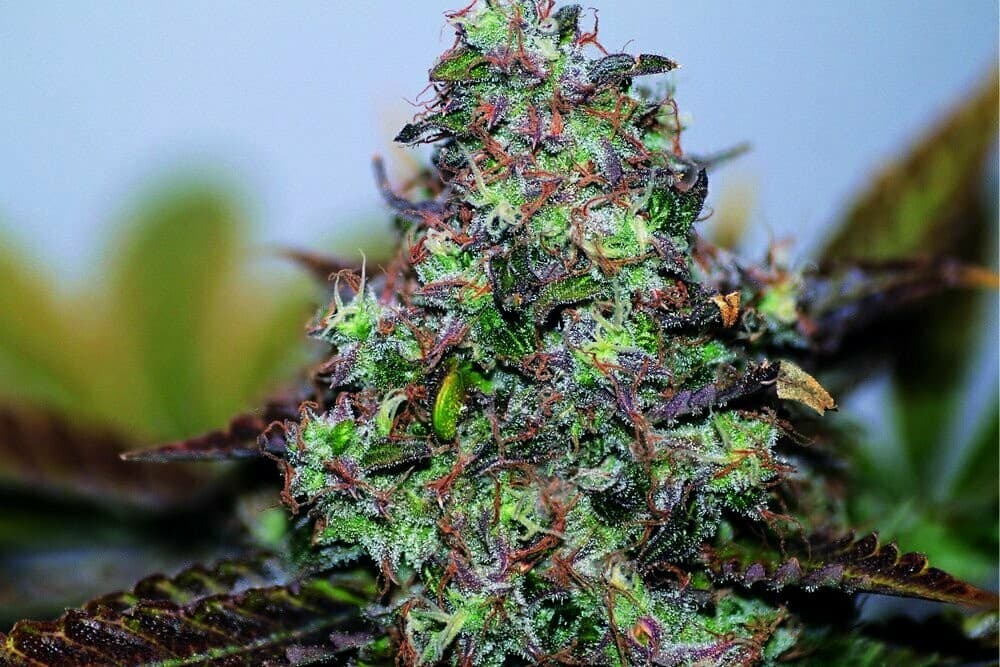
Original Skunk 1 Feminized expresses one of cannabis's most unmistakable aromas: a deep, dank, earthy musk with sharp, ammonia-like skunkiness that intensifies from mid-flower through the cure. The dominant terpene is myrcene — the most abundant terpene in cannabis — which typically induces sedation, but the sativa genetics in Original Skunk 1 temper that effect significantly, delivering a balanced high without couch-lock. This legendary strain thrives indoors or in greenhouses and remains the iconic source of the skunky profile that defined modern cannabis.
Overview
Some strains earn their reputation over a season. Skunk #1 earned hers over decades. If you've been growing cannabis for any length of time, you already know the name. If you're newer to the game, here's what you need to understand: this is the strain that quietly rewired the genetics of modern cannabis. A huge percentage of the cultivars you've grown, smoked, or read about trace at least part of their lineage back to Skunk #1. That's not marketing — that's just history.
What makes Original Skunk #1 Feminized from Plantation Premium Seeds so compelling in 2024 isn't nostalgia, though there's plenty of that. It's the fact that this strain still delivers. The high is functional and cerebral, the yields are generous, and that aroma — unmistakable, unapologetic, deeply skunky — is as potent as ever. Your neighbours might start asking questions.
This is a mostly sativa photoperiod feminized strain built for indoor and greenhouse cultivation. It's not the easiest grow you'll ever do, but it's one of the most rewarding. Five seeds per pack, and every one of them carries decades of cannabis breeding history in its genetics.
Genetics
What strains make up Original Skunk #1 Feminized?
Original Skunk #1 is a mostly sativa hybrid built from three legendary landrace lines: Acapulco Gold, Mexican Sativa, and Columbian Gold Sativa. These three parent strains represent some of the most celebrated cannabis genetics ever collected, each bringing distinct characteristics to the final expression.
Acapulco Gold is a Mexican landrace that was considered the gold standard of cannabis quality throughout the 1960s and 70s. It's known for its golden-coloured calyxes, resinous structure, and a warm, earthy sweetness that's distinct from most modern hybrids.
Mexican Sativa contributes the classic sativa stretch and cerebral energy that defines Skunk #1's high. These equatorial genetics evolved under intense sun and long growing seasons, which is why managing the indoor stretch of this strain requires some planning — more on that in the growing section.
Columbian Gold Sativa, sometimes called Santa Marta Colombian Gold, is another storied landrace from the Sierra Nevada de Santa Marta region of Colombia. It brings a bright, uplifting quality to the genetics and contributes to the strain's complex terpene profile.
The genius of Skunk #1 as a breeding project was combining these three distinct sativa gene pools into something stable, consistent, and growable. The result is a mostly sativa cultivar that expresses the best of all three parents — the resin production of Acapulco Gold, the energy of Mexican Sativa, and the brightness of Columbian Gold — while remaining manageable enough for a skilled home grower to run successfully. feminized sativa seeds
For breeders, Skunk #1 remains one of the most valuable genetic tools available. Its stability and vigour make it an exceptional parent strain, which is exactly why it appears in the lineage of so many modern classics.
Aroma & Effects
What does Original Skunk #1 smell and taste like?
Original Skunk #1 smells exactly like what it's named after — and that's a feature, not a bug. The dominant terpene is myrcene, which in this context expresses as a deep, dank, earthy musk with a sharp, almost ammonia-like skunkiness underneath. It's one of the most recognisable aromas in cannabis, and it hits hard from mid-flower all the way through the cure.
Myrcene is the most abundant terpene found in cannabis and is associated with sedating, relaxing effects when present in high concentrations. In Skunk #1, however, the sativa genetics temper that sedation significantly — you get the depth and body of myrcene without being pinned to the couch.
On the inhale, expect that classic skunky earthiness with hints of sweetness underneath — a nod to the Acapulco Gold and Columbian Gold parents. The smoke is smooth and full-bodied, and the exhale carries a slightly herbal, almost spicy finish that lingers. During the cure, the smell deepens and becomes more complex. If you've only ever smelled Skunk #1 fresh off the plant, give it three to four weeks in the jar and you'll understand why old-school growers talk about this strain the way they do.
The effects are where the sativa genetics really shine. High THC content delivers an uplifting, cerebral onset that's energetic and clear-headed — the kind of high that makes you want to go for a walk, start a project, or have a long conversation. It's social, functional, and mood-elevating without being anxious or racey for most users. The body component is present but secondary, providing a comfortable warmth that rounds out the experience without dragging you down. This is a daytime strain through and through.
Growing Guide
Is Original Skunk #1 Feminized easy to grow?
Original Skunk #1 is best suited to intermediate growers — not because it's fragile, but because its sativa-dominant structure requires active management to get the most out of it. The genetics are vigorous and the plants are healthy, but they will test your training skills and your patience during the stretch.
This is a photoperiod feminized strain, meaning it requires a light schedule change to 12/12 to trigger flowering. photoperiod feminized seeds That gives you full control over the vegetative period, which is genuinely useful here — you'll want to keep veg time moderate and train aggressively before the flip, because this strain stretches significantly once flowering begins. In our grows, we've seen Skunk #1 plants nearly double in height during the first three weeks of flower. If you're working with limited vertical space indoors, that's something you need to plan for.
For indoor cultivation, a well-ventilated grow tent or room is essential. The aroma during flower is intense — myrcene-heavy and deeply skunky — so carbon filter setup is non-negotiable unless you're in a very private space. Skunk #1 thrives under strong lighting, and HID or full-spectrum LED setups will reward you with dense, resinous buds.
Greenhouse growing is an excellent option for this strain, particularly in climates with reliable summer warmth. In British Columbia, a well-managed greenhouse extends the effective growing season and gives Skunk #1 the light intensity it loves while protecting against the humidity swings that can challenge dense sativa buds late in flower.
This strain responds well to low-stress training (LST) and Screen of Green (ScrOG) techniques. The branchy sativa structure creates a natural canopy that, when trained properly, produces an impressive number of bud sites. We'd recommend topping early in veg and running a ScrOG net to manage the stretch and maximise light penetration. ScrOG growing technique
Nutrient needs are moderate to high during flower, with a particular appetite for phosphorus and potassium during the bud-building phase. Keep an eye on calcium and magnesium as well — sativa-dominant strains running under intense light can show deficiencies quickly if your feeding program isn't dialled in.
Flowering & Yield
How long does Original Skunk #1 Feminized take to flower, and what yields can you expect?
Original Skunk #1 Feminized is a photoperiod strain with a flowering period consistent with its sativa-dominant genetics — expect a longer flower time than most indica-heavy hybrids. The mostly sativa structure means the plant takes its time developing those dense, resinous colas, and rushing it won't do you any favours. Patience is rewarded here.
Yields are a genuine strength of this cultivar. The vigorous sativa growth habit, combined with the resin production inherited from Acapulco Gold, means that a well-managed plant produces generously. Indoor growers running a ScrOG setup can expect impressive harvests per square metre when the canopy is properly trained and light penetration is maximised. Greenhouse grows, particularly in warmer Canadian climates during peak summer, can push yields even further given the additional light intensity and root space.
Bud structure is classic sativa — elongated, airy colas rather than the tight, compact nuggets you'd see from an indica-dominant strain. Don't let that fool you into thinking the buds are light; the trichome coverage on a mature Skunk #1 is exceptional, and the resin production is one of this strain's most celebrated traits. Growers who've run this strain consistently report that the final few weeks of flower bring a dramatic increase in resin density — the kind of frosty finish that makes harvest day genuinely exciting. THC content is high, consistent with the potency that made this strain famous in the first place.
Pro Tips
What are the best techniques for growing Original Skunk #1 Feminized indoors?
The single most important thing you can do with Original Skunk #1 indoors is manage the stretch. This is a mostly sativa strain with equatorial landrace genetics, and it will grow with enthusiasm once you flip to 12/12. Plan your canopy height before you flip, not after.
Here's a practical approach that works well in our grows:
- Keep the vegetative period to 4–6 weeks from transplant, depending on your available height.
- Top the plant once or twice during veg to encourage lateral branching and create a wider, more manageable canopy.
- Install your ScrOG net at roughly 40cm above the pot and begin weaving branches through as they grow.
- Flip to 12/12 when the canopy is about 60–70% full — the stretch will fill the rest.
- Continue tucking branches under the net for the first 2–3 weeks of flower, then leave the canopy to develop.
indoor cannabis growing tips
For feeding, transition to a bloom-focused nutrient program at the flip and gradually increase phosphorus and potassium through weeks 3–6 of flower. Back off nutrients in the final 1–2 weeks and flush thoroughly before harvest — Skunk #1's flavour profile is complex and worth protecting with a clean finish.
One phenotype observation worth noting: in our experience, some Skunk #1 phenos express a slightly more compact structure than others, with tighter internodal spacing and a more manageable stretch. If you're running multiple plants from the same pack, watch for this pheno — it tends to produce the densest bud structure and is worth selecting for future runs if you're doing any phenotype hunting.
For greenhouse growers in Quebec or other provinces with shorter summers, starting seeds indoors in late April and transplanting to the greenhouse after last frost gives Skunk #1 enough time to complete its vegetative growth before the natural light cycle triggers flowering in late summer.
Summary
Original Skunk #1 Feminized isn't a strain you grow because it's trendy. You grow it because it's earned its place in cannabis history through decades of consistent performance, and because there's something genuinely satisfying about running a cultivar that helped shape the genetics of the modern cannabis world.
The high THC content, the classic sativa-dominant effects, and that unmistakable skunky aroma make this a strain that experienced growers return to again and again — not out of nostalgia, but because it still delivers. The mostly sativa structure rewards growers who take the time to train properly and manage the stretch, and the yields from a well-run indoor or greenhouse crop are genuinely impressive.
If you've never grown Skunk #1, this is the version to start with. Five feminized seeds, proven genetics, and a grow experience that connects you directly to the lineage that built modern cannabis. Plantation Premium Seeds is proud to carry this legend — and we think once you run it, you'll understand exactly why it's still here.
FAQ
Is Original Skunk #1 Feminized suitable for beginner growers?
It's better suited to someone with a grow or two under their belt. The genetics are vigorous and the plants are healthy, but the sativa stretch and the strong aroma during flower require some planning and equipment. If you're a beginner who's comfortable with LST and has a carbon filter set up, you can run it — just go in with realistic expectations about managing height.
How strong is the smell during flowering of Original Skunk #1?
Very strong. This is Skunk #1 — the clue is in the name. Myrcene-dominant terpenes produce a deep, dank, unmistakably skunky aroma that intensifies significantly from week 4 of flower onwards. A quality carbon filter and inline fan are essential for indoor grows. Greenhouse growers should be aware that the smell carries on warm days.
What kind of high does Original Skunk #1 Feminized produce?
It's a classic sativa-dominant high — uplifting, cerebral, and energetic. High THC content means the onset is noticeable, but the effect is clear-headed and functional rather than overwhelming for most experienced users. It's a great daytime strain for creative work, social situations, or just getting things done. The body component is present but doesn't dominate.
Can I grow Original Skunk #1 Feminized outdoors in Canada?
The specs list greenhouse and indoor as the recommended grows, and that's the right call for most of Canada. The sativa genetics mean a longer flowering period, which can be a challenge in provinces with early autumn frosts. A greenhouse is the ideal middle ground — you get the light intensity and space of an outdoor grow with the climate control to protect the plants through the full flowering cycle.
What makes Skunk #1 genetics so important in modern cannabis breeding?
Skunk #1 was one of the first stable hybrid strains to successfully combine multiple landrace gene pools into a consistent, reproducible cultivar. Its vigour, resin production, and reliable expression made it an ideal parent strain, and breeders have used it extensively for decades. A huge proportion of popular modern hybrids carry Skunk #1 somewhere in their lineage — it's one of the foundational building blocks of contemporary cannabis genetics.
19+ | Educational horticulture only.