· Santa Marta × Haze ·
Sugar Haze Regular: A Breeders' Tropical Sativa from PPS
Sugar Haze Regular seeds in Canada: tropical sativa, 10-12 wk flowering, 18-22% THC, ideal for breeders seeking males. PPS premium genetics.
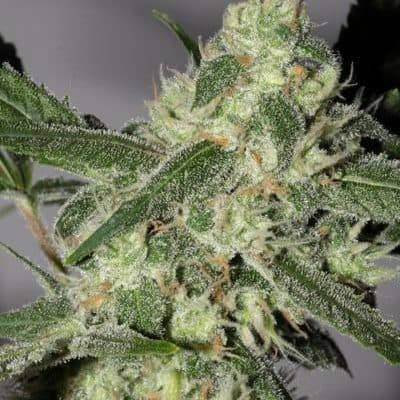
Sugar Haze Regular is a mostly-sativa cross of Tropical Haze and Indica Sugar from Plantation Premium Seeds (P.P.S). As a regular — non-feminized — line, every seed carries a roughly 50/50 chance of expressing male or female, making it the line of choice for hobby breeders, pollen chuckers, and seed-makers searching for stable Haze-leaning fathers. Plants stretch tall, flower for 10 to 12 weeks, and deliver sweet, tropical, citrus-forward smoke at 18-22% THC. Limonene, pinene, and terpinolene drive a bright, uplifting cerebral high suited to daytime use rather than evening sedation. Best grown indoors with strong training to manage the long sativa stretch, or outdoors in long-summer regions of southern Canada such as the Niagara, Okanagan, or southern Ontario corridors. Patient cure rewards the full tropical-citrus terpene profile; rushed cures leave it tasting grassy.
Understanding Sugar Haze Regular's key numbers
Sugar Haze Regular flowering time
- Indoor (12/12)
- 10-12 weeks
- Outdoor harvest
- October
- Plant size
- Tall (sativa-leaning, expect 2-3x stretch)
- Climates
- Indoor, Outdoor (long-season), Greenhouse
- Variety
- Mostly Sativa — Regular (non-feminized)
- THC
- 18-22%
- CBD
- <1%
Sugar Haze Regular seed to harvest time
- Germination + seedling
- 1–2 weeks
- Vegetative
- 5–7 weeks
- Flowering
- 10-12 weeks
- Dry + cure
- 2–3 weeks
- Total
- 18–24 weeks
- Yield indoor
- 400-500 g/m²
- Yield outdoor
- 500-700 g/plant
Cannabis seed germination rate & PPS guarantee
- Guarantee floor
- 75%
- Typical performance
- 96%
- Method
- Blue paper towel
- Storage
- 4–8°C · 5+ yr
- Packaging
- Envelope + mylar + vial
- Support reply
- < 24h bilingual
- Shipping
- Discreet across Canada
Sugar Haze Regular — Why PPS Released This Cross as a Regular Line
Sugar Haze Regular is the answer to a question feminized seeds cannot ask: what does this genetic line look like when you have access to both halves of the cross? Released by Plantation Premium Seeds (P.P.S) as a deliberate, non-feminized line, Sugar Haze is built for growers who want the full reproductive picture — males included — so they can run their own breeding projects, preserve genetics through pollen, or simply select a keeper mother from a wider phenotypic spread.
The cross itself pairs Tropical Haze, a long-flowering sativa heavy on citrus and exotic-fruit terpenes, with Indica Sugar, a resin-coated, vigorous indica selection used in PPS breeding for its sweet finish and structural backbone. The result tilts firmly to the sativa side — most phenotypes express tall, lanky stretch, narrow leaves, and the long internodal spacing characteristic of Haze families — but the indica side shows up where it matters most for production: in flower density, sugar coverage, and a sweeter, rounder finish than a pure Haze line would produce on its own.
For Canadian growers, this is a genuine breeders' tool. Regular seeds remain the gold standard for serious selection work, and a tropical Haze with sweetness baked in is a useful starting point for anyone designing their own sativa-leaning hybrids. It's also a meaningful choice for growers who simply want phenotype variety: every pack delivers a spread of expressions, and the keeper mother you find in a regular pack often outperforms anything you'd pull from a feminized line of similar genetics. The trade-off is the same one breeders have always accepted — half your seeds will be male, and those need to be culled or harnessed depending on your project goals.
If you're new to regular seeds and used to running feminized-only grows, expect to germinate more seeds than you have flowering spots, plan for early sex identification, and budget time for selection work. The reward is access to the full Sugar Haze gene pool — males, females, and the phenotype variation in between.
What Genetics Drive Sugar Haze Regular?
The Tropical Haze side of this cross brings the unmistakable Haze backbone — tall, vigorous, slow-flowering plants with a strong cerebral effect and bright citrus-and-tropical-fruit terpenes. Haze lines descend from late-1970s Santa Cruz breeding work that combined Colombian, Mexican, Thai, and South Indian sativas; modern Haze cuts retain the long flowering time and intense psychoactive profile of those original lines while expressing more accessible flavor profiles through decades of refinement. PPS selected Tropical Haze specifically for its limonene-forward terpene expression, which translates to a fresh-squeezed citrus quality in the cured product.
Indica Sugar contributes the second half: a resin-heavy indica chosen for the visible sugar crust on its calyxes and for the structural traits — shorter internodes, denser flower formation, faster finish — that balance out Haze's sometimes-airy bud structure. The "Sugar" name refers directly to trichome density, not flavor, though the line does carry a sweet undertone that complements the tropical Haze terpenes rather than fighting them.
In a regular F1 cross like Sugar Haze, phenotype variation is genuine and expected. Roughly half of your seeds will lean closer to the Tropical Haze parent (taller, longer flower, more citrus); the other half will pull toward Indica Sugar (shorter, denser, sweeter, slightly faster). For breeders, this spread is the asset — it gives you something to select from.
Sugar Haze Aroma, Flavor & Effects
Sugar Haze Regular reads as tropical from the first whiff: ripe pineapple, mango skin, and a sharp citrus zest that sits closer to grapefruit and orange peel than to lemon. As buds break apart, a sweeter, candy-like middle note opens up — this is the Indica Sugar side contributing — followed by a faint piney, almost incense-like base from the pinene side of the terpene profile. Properly cured for three to four weeks in glass, the aroma deepens and the sweetness rounds out, with the citrus shifting from sharp to mellow.
On the palate, the flavor follows the nose closely. Tropical fruit and citrus dominate the inhale, with a clean, slightly resinous exhale that leaves a sweet aftertaste rather than a heavy, lingering one. There's no skunk and no fuel — this is one of the cleaner-tasting Haze hybrids in the PPS catalog, well-suited to growers who prefer fresh, bright sativa flavors over funky or gassy profiles.
The terpene drivers are limonene (citrus brightness, mood elevation), pinene (clarity, focus, a slightly piney background), and terpinolene (the exotic, complex undertone common in modern sativa hybrids). Together they support a cerebral, uplifting, energetic effect — daytime smoke rather than evening sedation. The high tends to come on quickly with a clear-headed lift, settles into a creative, sociable plateau over the next forty-five minutes, and tapers off without much body heaviness. THC sits in the 18-22% range, with most home grows landing in the low 20s when flowering is held through to full ripeness and the cure is given proper time to develop.
How to Grow Sugar Haze Regular
Sugar Haze Regular grows like a textbook sativa-leaning hybrid: tall, stretchy, vigorous, and rewarding for growers willing to put in some training work. Plan for significant vertical growth — most phenotypes will at least double in height during the flowering stretch, with some Haze-dominant expressions tripling. Indoors, that means topping early (around the fourth or fifth node), running a SCROG screen, or applying low-stress training to spread out the canopy and keep bud sites within reach of your lights.
Vegetate for three to four weeks under 18/6 before flipping to 12/12. Don't push veg too long indoors — these plants have plenty of growth left in them once the flowering switch is flipped, and an overgrown veg can quickly outgrow the available headroom. A 1.2 m × 1.2 m tent comfortably handles two to three plants with good training; cramming more is possible but risks airflow and light penetration problems by late flower.
Outdoors, Sugar Haze is best suited to southern Canadian climates with long, warm summers — southern Ontario, the Niagara region, the Okanagan Valley, and the southern Maritimes are all workable. Plant outdoors after the last frost (typically late May to early June depending on your zone) and expect harvest in late October. The 10-12 week flowering time means growers in shorter-season regions like the Prairies or northern Quebec may struggle to finish before the first hard frost — a greenhouse or polytunnel can buy the extra two to three weeks needed.
Sugar Haze is a moderate-to-heavy feeder during flowering, especially in weeks four through eight when the upper canopy is building most of its mass. Keep an eye on pH (5.8-6.2 in coco/hydro, 6.2-6.8 in soil) and watch for early signs of nitrogen toxicity in vigorous phenotypes.
Available at PPS
Sugar Haze Regular
Feminized seeds · shipped across Canada
Flowering Time, Yield & Harvest
Sugar Haze Regular flowers for 10 to 12 weeks under a 12/12 photoperiod — long even by Haze-hybrid standards, and a meaningful commitment compared to most modern feminized lines that finish in seven to nine weeks. The Tropical Haze side dominates the timeline, with the longer-flowering phenotypes pushing toward the 12-week mark. Indica Sugar-leaning phenotypes can come down closer to 10 weeks.
Trichome maturity is the only reliable harvest signal on a Haze-dominant plant — calyx and pistil cues are unreliable because Sugar Haze often continues to throw new white pistils deep into flower, well past the point of peak ripeness. Start checking trichomes at week eight with a 60x loupe or jeweller's scope. The clear-to-milky transition usually completes between week ten and eleven; harvest at roughly 70-85% milky with 10-20% amber for the most balanced cerebral effect. Pulling earlier produces a sharper, more racy high; letting amber climb past 30% softens the effect noticeably and brings out more of the indica side.
Yields run moderate indoors — typically 400-500 g/m² with good training and an experienced hand — and stronger outdoors in warm, long-season climates where plants can size up freely, where 500-700 g per plant is realistic on well-grown specimens. Don't expect massive single colas; the structure produces multiple long, dense flower clusters across the canopy rather than one dominant cola.
Cure is non-negotiable for this strain. Dry slowly at 18-20°C and 55-60% RH for 10-14 days, then jar at 62% RH for a minimum three-week cure to allow the citrus and tropical notes to express fully. Rushed cures leave Sugar Haze tasting grassy and one-dimensional; patient cures reward you with the full terpene profile.
Growing Tips — Regular Seeds Mean Males Are Coming
Because Sugar Haze is a regular line, every pack contains roughly 50% male and 50% female plants. This is the entire point of buying regular seeds rather than feminized — and it changes how you should plan your grow from day one. If you only want flower, plan to germinate two to three times more seeds than you have final-flower spots, expecting to cull the males. If you're breeding, the males are the project: pick the best fathers for your pollen-chuck or your next cross, and let the rest of the population finish for smoke or hash.
Identifying sex starts during pre-flower, typically two to three weeks after the flip to 12/12 (or earlier in mature plants under 18/6). Males show small, round, ball-like pollen sacs at the internodes — usually visible to the naked eye, easier to spot with a 30x loupe. Females show wispy white pistils emerging from teardrop-shaped calyxes. Pull suspected males immediately if you don't want pollination — male pollen will travel meters within a sealed tent and will seed every female within range, dropping yield and quality dramatically.
For breeders specifically: look for vigorous, well-structured males with strong terpene expression (smell the stems and leaves), short internodes if you want to introduce density to a Haze-leaning line, or tall, lanky structure if you want to preserve sativa traits. Collect pollen by isolating a chosen male in a separate room and bagging the male flowers shortly before they open. Properly dried pollen stores for months in the freezer in airtight containers.
For non-breeders who want only flower: feminized lines exist for a reason. Regular seeds are the right tool when genetic variability and access to males is the goal — not when you're maximizing yield from a fixed plant count.
Is Sugar Haze Regular the Right Strain for You?
Sugar Haze Regular is purpose-built for growers who value access to both halves of a cross. As a regular line, it gives breeders the males and the phenotype variation they need to do real selection work, while still delivering a bright, tropical, sativa-forward smoke when finished and cured properly. The 10-12 week flowering window asks for patience but pays back with a clean, uplifting high that sits at the brighter end of the Haze family.
If you're growing for flower only and want a faster, simpler, all-female crop, look elsewhere in the PPS catalog — there are feminized sativas with shorter cycles. But if your project includes pollen, future crosses, or the search for a Haze-leaning keeper mother that outperforms what feminized packs typically produce, this is exactly the kind of line regular seeds exist for. Pack-to-pack variation is part of the deal: expect a real spread of phenotypes, expect to do the selection work, and expect the keeper you find to reward the effort over many future grows.
Feminized Seeds
Sugar Haze Regular
FAQ
What's the difference between regular and feminized seeds, and which should breeders choose?
Regular seeds produce both male and female plants — roughly 50/50 — while feminized seeds are bred to produce only female plants. For anyone who just wants flower, feminized is the obvious efficient choice. For breeders, regular seeds are non-negotiable: you cannot breed without males, and you cannot get reliable, genetically diverse males from feminized lines (which often produce hermaphroditic males with poor genetic stability). Sugar Haze Regular gives serious breeders the full reproductive material — stable males, varied females, real phenotype spread — that's needed for selection work, pollen-chucks, or building new crosses.
How long does Sugar Haze take to flower?
Plan for 10 to 12 weeks of 12/12 flowering indoors. Tropical Haze-leaning phenotypes push closer to 12 weeks; Indica Sugar-leaning ones can come down at 10. Trichome maturity is the only reliable harvest indicator — pistils stay confusing on this strain right through ripening. Watch for the clear-to-milky transition around weeks 10-11 and pull when trichomes are roughly 70-85% milky with some amber.
How much THC does Sugar Haze Regular contain?
Sugar Haze tests in the 18-22% THC range, with most home grows landing in the low 20s when flowering is held through to full ripeness and the cure is given proper time. CBD is minimal — under one percent — making this firmly a THC-driven sativa rather than a balanced or wellness line. Expect a clear, energetic, cerebral effect rather than a heavy body high.
Can I grow Sugar Haze outdoors in Canada?
Yes, but climate matters. The 10-12 week flowering window means you need a long warm season to finish before the first hard frost. Southern Ontario, the Niagara region, the Okanagan, and the southern Maritimes work well. Prairie and northern Quebec growers will likely need a greenhouse, polytunnel, or supplemental cover to push harvest into late October. Plant after last frost (late May to early June in most regions) and expect to finish in late October.
How do I tell male and female Sugar Haze plants apart?
Pre-flowers appear two to three weeks after the flip to 12/12. Males show small, round, ball-like pollen sacs clustered at the internodes — often visible to the naked eye and easy to confirm with a 30x loupe. Females show wispy, hair-like white pistils emerging from teardrop-shaped calyxes. Pull suspected males immediately if you don't want pollination — pollen travels meters within a sealed tent and seeds every female within range.
What does Sugar Haze smell and taste like?
Tropical and citrus, with a sweet middle note and a faint piney background. Pineapple, mango skin, and grapefruit zest dominate the nose; the sweetness from the Indica Sugar side rounds the profile rather than fighting it. The flavor follows the nose — bright on the inhale, clean and slightly resinous on the exhale, no skunk or fuel notes. Limonene, pinene, and terpinolene are the main terpene drivers. A proper three-to-four-week cure is essential for the full profile to come through.
Plantation Premium Seeds
Shop Sugar Haze Regular
Feminized seeds · premium genetics · discreet shipping across Canada
Buy Seeds — $65 CAD⚠️ Collector's item only · adults 19+
19+ | Educational horticulture only.
Feminized Seeds
Sugar Haze Regular