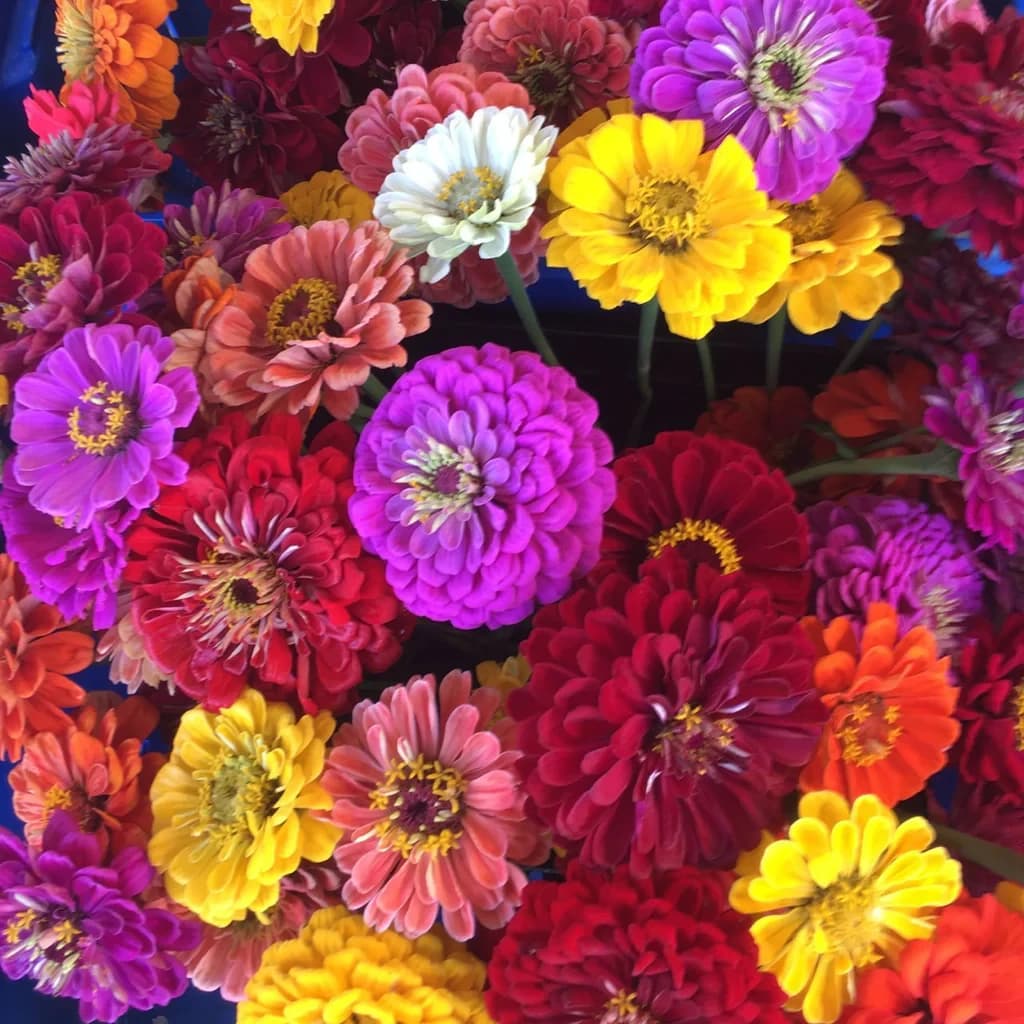
Mixed · Annual
Zinnia Mix
Not disclosed
$4.49CADOut of stock
Zinnia Mix — specs at a glance
Flowering time · Canadian harvest
Buying Zinnia Mix cannabis seeds in Canada means planning 60-70 days of flowering indoors under 12/12. Outdoor harvest early–mid october — fits the Canadian growing window.
- Indoor (12/12)
- 60-70 days
- Outdoor harvest
- Early–mid October
- Climates
- Temperate to warm
- Variety
- Mixed
- THC
- 0%
- Terpene
- Myrcene
Full cycle for the Canadian grower
From discreet delivery of your Zinnia Mix cannabis seeds across Canada to dry harvest: budget 17–22 weeks indoors — covering germination, veg, flower, dry, and cure.
- Germination + seedling
- 1–2 weeks
- Vegetative
- 5–7 weeks
- Flowering
- 60-70 days
- Dry + cure
- 2–3 weeks
- Total
- 17–22 weeks
- Genetics
- Not disclosed
Germination guarantee · secure shipping
Every Zinnia Mix cannabis seeds pack ships with a germination guarantee, stealth packaging (plain envelope + mylar bag + plastic vial), secure payment, and free shipping on orders $150+ across Canada.
- Guarantee floor
- 75%
- Typical performance
- 96%
- Method
- Blue paper towel
- Storage
- 4–8°C · 5+ yr
- Packaging
- Envelope + mylar + vial
- Support reply
- < 24h bilingual
- Shipping
- Discreet across Canada
This strain is waiting for its first review
Grown it? Your experience is gold for the next growers.
Verified buyers only
Grow photos welcome
Your review = 20% coupon