· Forbidden Fruit × Poison OG ·
Poisonous Fruits Feminized – High-THC Fruity Hybrid by Terpene Master Seeds
Poisonous Fruits Feminized delivers 28-32% THC, extreme grape-fruity aroma, and an 8-10 week flower. Shop PPS for premium Canadian cannabis seeds.
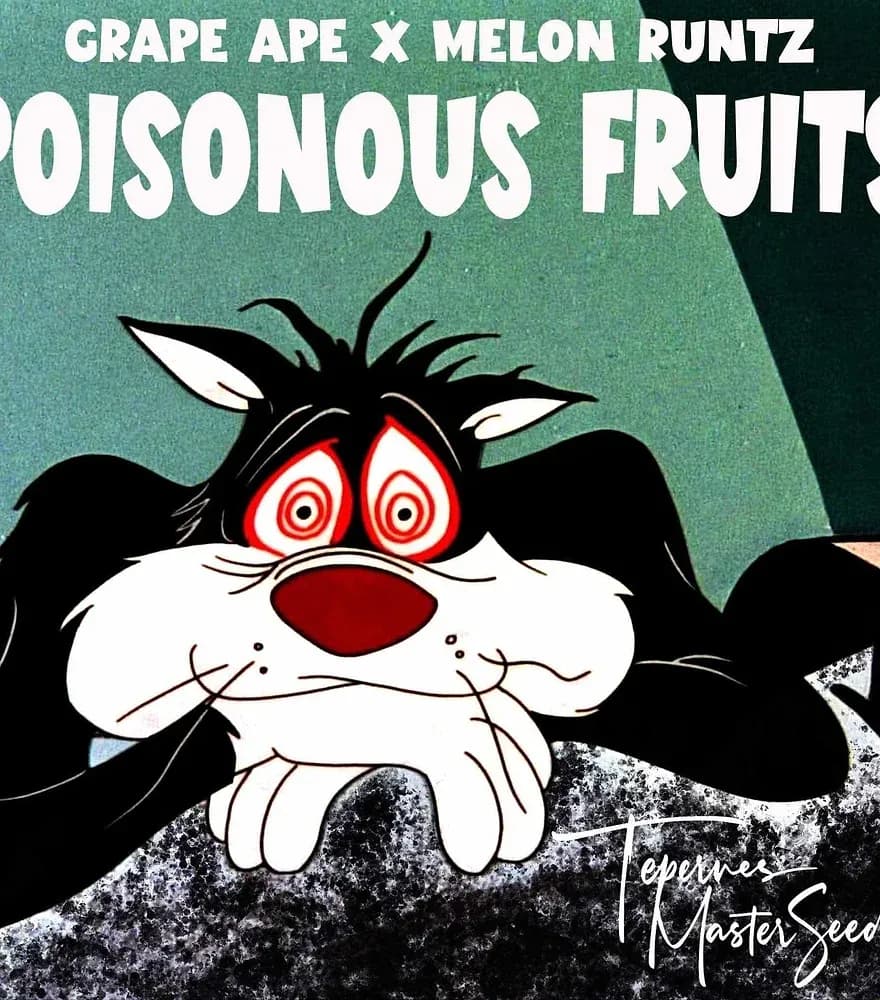
Poisonous Fruits Feminized is a high-THC hybrid strain delivering 28-32% potency with an extreme grape-fruity aroma that becomes unmistakably pungent from week five of flower onward. Created by Terpene Master Seeds, the strain's terpene profile—Ocimene, Linalool, and Terpinolene—creates a complex flavor experience that evolves as the plant matures. Early flowering shows bright, candy-like sweetness from Ocimene, while Linalool adds soft floral undertones that prevent the profile from becoming cloying. Expect an 8-10 week flowering cycle and a distinctive scent that demands discretion in any cultivation environment due to its intensity.
Understanding Poisonous Fruits Feminized's key numbers
Poisonous Fruits Feminized flowering time
- Indoor (12/12)
- 8-10 weeks
- Outdoor harvest
- Early–mid October
- Climates
- Indoor, Temperate, Mediterranean
- Variety
- Hybrid
- THC
- 28-32%
- Terpene
- Ocimene, Linalool, Terpinolene
Poisonous Fruits Feminized seed to harvest time
- Germination + seedling
- 1–2 weeks
- Vegetative
- 5–7 weeks
- Flowering
- 8-10 weeks
- Dry + cure
- 2–3 weeks
- Total
- 16–22 weeks
- Genetics
- Forbidden Fruit × Poison OG
Cannabis seed germination rate & PPS guarantee
- Guarantee floor
- 75%
- Typical performance
- 96%
- Method
- Blue paper towel
- Storage
- 4–8°C · 5+ yr
- Packaging
- Envelope + mylar + vial
- Support reply
- < 24h bilingual
- Shipping
- Discreet across Canada
Overview
Some strains announce themselves quietly. Poisonous Fruits Feminized is not one of those strains. From the moment this plant hits mid-flower, the grape-forward terpene profile fills the room with something that's equal parts dessert cart and danger sign — which, honestly, is exactly what the name promises. This is a high-THC photoperiod hybrid from Terpene Master Seeds, feminized for consistency, and built for growers who want serious potency alongside a sensory experience that doesn't let you forget what you're growing.
With THC levels testing between 28 and 32%, Poisonous Fruits sits firmly in the upper tier of modern cannabis genetics. It's not a strain you grow for subtlety. It's a strain you grow because you want the best-smelling tent in the building and a finished product that commands attention. Whether you're running an indoor setup in an Ontario basement or working with a controlled greenhouse environment in BC, this feminized hybrid rewards growers who pay attention and punishes those who rush. We've run this one more than once, and every time it delivers — provided you give it what it needs.
Genetics
What Are the Genetics Behind Poisonous Fruits Feminized?
Poisonous Fruits Feminized is a hybrid photoperiod strain from Terpene Master Seeds. While the specific parental lineage hasn't been publicly disclosed, the strain's terpene signature and cannabinoid profile tell a clear story about the genetic direction the breeders were chasing.
The dominant terpenes — Ocimene, Linalool, and Terpinolene — are a combination you see frequently in strains bred from sweet, floral, and fruit-forward lineages. Ocimene contributes that bright, almost tropical sweetness that lifts the top notes of the aroma. Linalool brings a soft floral and slightly herbal depth underneath, the kind of terpene associated with calming, body-focused effects. Terpinolene rounds the profile out with a piney, fresh quality that keeps the nose from going one-dimensional. Together, these three create the extreme grape-fruity aroma that defines this cultivar at every stage of growth — from late veg through cure.
As a hybrid, Poisonous Fruits carries the balanced structural traits you'd expect — manageable internodal spacing, reasonable stretch during the transition to flower, and a canopy that responds well to training. The feminized seed format means every plant in your pack is female, eliminating the guesswork and wasted space that comes with regular seeds. For growers running feminized photoperiod seeds on a fixed light schedule, this is a significant practical advantage.
The 28-32% THC ceiling is the headline number here, and it's a real one — not a marketing ceiling that only one phenotype in twenty ever reaches. In our grows, consistent feeding and a proper flush in the final two weeks reliably pushed resin production into that upper range. This is a strain built with potency as a primary objective, and the genetics deliver on that promise.
Aroma & Effects
What Does Poisonous Fruits Feminized Smell and Taste Like?
Poisonous Fruits Feminized smells exactly like its name suggests — intensely fruity, unmistakably grape-forward, and pungent enough that discretion becomes a genuine consideration once you hit week five of flower. The aroma is classified as extreme grape fruity, and that description isn't an exaggeration. It's the kind of smell that stops people in their tracks.
The terpene trio driving this profile — Ocimene, Linalool, and Terpinolene — creates a layered experience that evolves as the plant matures. Early in flower, you'll notice the bright, almost candy-like sweetness that Ocimene contributes. As the buds develop and resin production intensifies, Linalool adds a soft floral undercurrent that keeps the sweetness from becoming cloying. Terpinolene provides a clean, slightly piney finish that gives the overall profile some structure and prevents it from reading as purely confectionery.
On the palate, the smoke or vapour carries that grape-fruit character cleanly from inhale to exhale. Growers who've run this strain report that a proper slow cure — two to four weeks in sealed jars with daily burping in the first week — significantly deepens the flavour complexity, pulling out more of the floral Linalool notes that can get lost in a rushed dry.
The effects are what you'd expect from a 28-32% THC hybrid: fast-acting, potent, and full-spectrum in the way that well-bred hybrids tend to be. The combination of Linalool and Terpinolene suggests a profile that leans toward relaxed euphoria rather than pure cerebral stimulation — functional enough for experienced consumers, but absolutely not a strain for the uninitiated. Your neighbours might start asking questions. Plan accordingly.
Available at PPS
Poisonous Fruits Feminized
Feminized seeds · shipped across Canada
Growing Guide
How Difficult Is Poisonous Fruits Feminized to Grow?
Poisonous Fruits Feminized is a photoperiod hybrid suited to indoor environments, temperate outdoor conditions, and Mediterranean-style climates. It's feminized, which removes one major variable from the equation, but the high-THC genetics and pungent terpene profile mean this strain rewards growers who bring some experience to the table.
Indoors, this strain performs best under a standard 18/6 vegetative light schedule, transitioning to 12/12 to trigger flowering. The hybrid structure means you'll see a moderate stretch during the first two to three weeks of flower — typically 50 to 75% of the plant's vegetative height — so plan your canopy height accordingly before you flip. We've found that topping once during veg and allowing the plant to recover fully before the flip produces the most even canopy and the best light penetration into the lower bud sites. indoor cannabis growing tips
For growers in temperate Canadian climates, outdoor cultivation is viable in regions with a reliable warm season. Southern Ontario and the BC interior both offer enough summer heat to run a photoperiod strain like this successfully, provided you're starting seeds indoors in late March or early April and transplanting after last frost. The Mediterranean suitability rating confirms this strain can handle warmth and moderate humidity, but it's not a strain you want to push into a wet, cool fall — the dense, resinous buds are susceptible to moisture-related issues if airflow isn't managed.
Nutrient requirements are moderate to heavy during flower, consistent with the high-THC output this strain is capable of. Phosphorus and potassium uptake increases significantly from week four of flower onward, and we've seen the best resin development in plants that received a dedicated bloom booster through weeks five and six before transitioning to a clean flush. Pair your feeding schedule with cannabis bloom nutrients for best results.
Environmental control is important with this one. Temperatures between 20-26°C during lights-on and a relative humidity drop to 40-50% in late flower will protect those dense, terpene-rich buds and maximise trichome development.
Flowering & Yield
How Long Does Poisonous Fruits Feminized Take to Flower?
Poisonous Fruits Feminized has a flowering window of 8 to 10 weeks from the flip to 12/12 lighting. Most phenotypes we've run hit their peak trichome maturity right around the 9-week mark, though the occasional pheno benefits from pushing to the full 10 weeks for maximum resin density.
The seed-to-harvest timeline mirrors the flowering window at 8 to 10 weeks, which refers to the flowering phase specifically — factor in 4 to 6 weeks of vegetative growth for a full indoor cycle of approximately 12 to 16 weeks from seed. For outdoor growers in Canada's temperate regions, this puts harvest timing in late September to mid-October depending on your latitude and when you started.
Yield data for this strain hasn't been formally published in the available specifications, so we won't invent numbers. What we can tell you from growing experience is that high-THC hybrids in this terpene profile category — dense, resinous, fruit-forward — typically produce medium to heavy yields when trained properly. The quality of the finished product is where this strain earns its reputation. The buds are visually striking: heavy with trichomes, deeply coloured, and carrying that extreme grape-fruity aroma right through the cure. Harvest timing matters here — pull too early and you lose both potency and flavour depth. Watch your trichomes under magnification and wait for that amber transition before you cut.
Pro Tips
What Are the Best Growing Tips for Poisonous Fruits Feminized?
Growing Poisonous Fruits Feminized well comes down to a few key decisions made early in the cycle. Here's what we've learned from running this strain multiple times.
1. Top early, train consistently. This hybrid responds exceptionally well to topping during veg. A single top at the fifth or sixth node, followed by low-stress training (LST) to open the canopy, dramatically improves light distribution and bud site development. We've seen phenos that, without any training, put most of their energy into one dominant cola at the expense of everything below. Don't let that happen.
2. Manage the stretch. Expect the plant to push hard in the first two to three weeks after flipping to 12/12. If you're growing in a tent with limited vertical space, flip a week earlier than you think you need to. It's easier to manage a slightly smaller plant than to deal with a canopy pressing against your lights in week three of flower.
3. Dial in your late-flower humidity. The dense, resinous bud structure that makes Poisonous Fruits so visually impressive is also what makes it vulnerable to botrytis if humidity climbs above 50% in the final three weeks. Drop your RH to 40-45% from week six onward and make sure your airflow is strong enough to move through the canopy, not just around it.
4. Don't rush the flush. Two full weeks of plain pH-balanced water before harvest makes a meaningful difference to the smoothness of the final smoke and allows the terpene profile to express fully. We've compared flushed versus unflushed harvests of this strain side by side — the difference in flavour clarity is real.
5. Cure properly. This is where Poisonous Fruits really rewards patience. A minimum two-week cure in sealed glass jars, burped daily for the first week, transforms the aroma from good to exceptional. The Linalool and Terpinolene notes that can get buried under the dominant grape sweetness during a fast dry come forward beautifully with a proper cure. cannabis curing and drying guide
For Canadian growers running this strain outdoors in temperate regions, starting seeds indoors under artificial light in late March gives you the vegetative head start you need to hit harvest before the October rains arrive. Choose a sheltered spot with good airflow and full sun exposure — this strain will thank you for it.
Summary
Poisonous Fruits Feminized is the kind of strain that makes you stop and smell the tent — literally. The combination of 28-32% THC, an extreme grape-fruity terpene profile built on Ocimene, Linalool, and Terpinolene, and a manageable 8-10 week flower time makes this one of the more compelling photoperiod feminized options available through Plantation Premium Seeds right now.
It's not a beginner strain. The high-THC genetics, the pungent aroma that demands proper filtration, and the late-flower humidity management required to protect those dense resinous buds all call for a grower who's put in some time. But if you have that experience — or you're ready to build it — Poisonous Fruits will reward you with a finished product that's genuinely hard to put down.
Grow it right, cure it properly, and you'll have something worth talking about. Just maybe not with your neighbours. buy feminized cannabis seeds Canada
FAQ
How high is the THC in Poisonous Fruits Feminized?
Poisonous Fruits Feminized tests between 28 and 32% THC, which puts it in the top tier of currently available cannabis genetics. That's not a range you hit by accident — it requires dialled-in growing conditions, proper feeding through flower, and a full cure. If you're new to high-THC strains, start slow with the finished product. This one earns its name.
What does Poisonous Fruits Feminized smell like?
The aroma is extreme grape-fruity — intensely sweet, pungent, and unmistakable once the plant hits mid-flower. The terpene profile of Ocimene, Linalool, and Terpinolene creates a layered nose that's bright and candy-like up top with a softer floral and piney depth underneath. It's one of the more distinctive aromatic profiles we've grown. Carbon filtration is non-negotiable if discretion matters to you.
Is Poisonous Fruits Feminized good for indoor growing?
Yes — indoor is actually where this strain shines. You have full control over the environment, which matters for a high-resin cultivar that benefits from humidity management in late flower. A tent with good airflow, a reliable bloom feeding schedule, and a carbon filter for the aroma and you're set up well. The 8-10 week flower time makes indoor scheduling straightforward.
Can I grow Poisonous Fruits Feminized outdoors in Canada?
You can, in the right regions. Southern Ontario and the BC interior both have enough warm season to run a photoperiod strain with an 8-10 week flower. Start seeds indoors in late March, transplant after last frost, and aim for a late September to mid-October harvest. Watch your humidity as fall approaches — the dense buds need airflow to stay clean.
What terpenes are in Poisonous Fruits Feminized?
The three dominant terpenes are Ocimene, Linalool, and Terpinolene. Ocimene drives the sweet, tropical top notes. Linalool adds a floral, calming depth associated with relaxing effects. Terpinolene contributes a fresh, piney quality that rounds out the profile. Together they produce that signature extreme grape-fruity aroma this strain is known for.
Plantation Premium Seeds
Shop Poisonous Fruits Feminized
Feminized seeds · premium genetics · discreet shipping across Canada
Buy Seeds — $320 CAD⚠️ Collector's item only · adults 19+
19+ | Educational horticulture only.
Feminized Seeds
Poisonous Fruits Feminized