What are regular cannabis seeds?
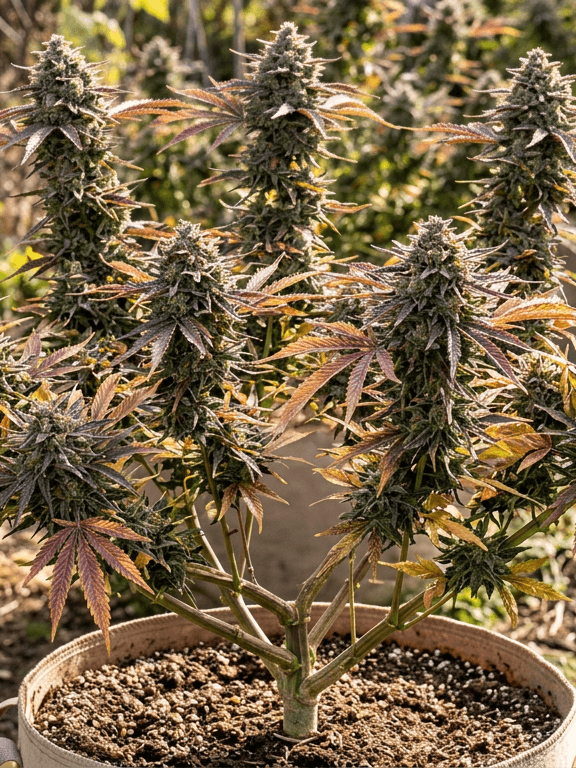
Regular cannabis seeds are seeds exactly as the plant produces them in nature: roughly half grow into females and half into males. No reverse pollination, no chemical intervention — just the original genetics of the cross. While feminized seeds dominate the modern market, regular seeds remain the foundation of serious breeding work and genetic preservation. Every legendary strain you know started its life as a regular seed in a breeder's garden.
Why do breeders and experienced growers choose regular seeds?
Three reasons. First, breeding: males are not waste — they are half of every future cross. If you want to make your own seeds, hunt phenotypes, or work a line over generations, you need regular genetics. Second, stability: regular seeds carry no history of the stress techniques used to produce feminized seed, which some growers associate with a lower tendency toward hermaphroditism in sensitive lines. Third, mother plants: many cloners prefer selecting a robust female from regular stock as the foundation of a long-running clone library.
Regular seeds in a Canadian home grow
Under Canada's 4-plant household limit, regular seeds require planning: some of your germinated plants will be male and must be identified and removed before they pollinate the females. Growers typically start more seeds than their final plant count, sex the plants early, and keep only the best females — or keep a standout male for pollen. For phenotype hunters working within the legal limit, that selection process is exactly the point: you are choosing your keeper from genuine, unaltered genetics.
How to sex regular cannabis plants
Cannabis reveals its sex at pre-flower, usually 4-6 weeks from sprout or in the first two weeks after switching to 12/12 light. Males show small pollen sacs (round balls) at the nodes where branches meet the stem; females show wispy white pistils emerging from a teardrop-shaped calyx. Check nodes daily with a loupe once pre-flowers appear, and separate or remove males promptly — a single open pollen sac can seed an entire room. Aside from sexing, regular plants grow exactly like feminized photoperiod plants: vegetate under 18/6, flower under 12/12, harvest after 7-10 weeks of bloom.
Regular vs feminized cannabis seeds
Feminized seeds give you 99%+ females — the efficient choice when every plant slot counts and your goal is harvest, not breeding. Regular seeds give you the complete genetic picture: males for crossing, females with full natural vigor, and the satisfaction of working genetics the traditional way. Many growers run both: feminized for the production tent, regular for the breeding corner.
Read more: feminized vs autoflower vs fast version cannabis seeds →
Frequently asked questions
What percentage of regular seeds are female?
On average about 50%. Each seed has roughly equal odds of being male or female, so growers typically start about twice as many regular seeds as the number of female plants they want to keep.
Why buy regular seeds instead of feminized?
Breeding and genetic work. Regular seeds give you males for crossing, natural unaltered genetics for phenotype hunting, and strong candidates for long-term mother plants. If your only goal is harvesting flower, feminized is more efficient.
Can I make my own seeds with regular cannabis seeds?
Yes — that is their main purpose. Keep a male, collect its pollen, and pollinate a female (or a single branch of one) to produce hundreds of seeds carrying both parents' genetics.
How do I identify a male cannabis plant?
At pre-flower (4-6 weeks from sprout), males develop small round pollen sacs at the branch nodes, while females show white hair-like pistils. Inspect nodes with a magnifying loupe and remove males before their sacs open.
Are regular cannabis seeds legal in Canada?
Yes. Cannabis seeds are legal to purchase and possess in Canada as collectibles, and adults may grow up to 4 plants per household under federal law (check your provincial rules).
Do regular seeds grow differently from feminized seeds?
No — apart from sexing, they grow identically. Both are photoperiod plants: vegetative under 18/6 light, flowering under 12/12, with the same nutrients, training and harvest timing.