Identify, Prevent, Treat
Pest & Insect Control
Companion Plants Against Spider Mites: Protect Your Cannabis Naturally
Repel spider mites naturally with chives, garlic, basil and cilantro. Protect your cannabis plants without reaching for chemical miticides.

Chives, basil, garlic and cilantro make the area around your plants less inviting to spider mites. Combined with a garlic infusion sprayed weekly, they meaningfully cut the risk of an infestation taking hold.
Key takeaways
- Chives, basil, and garlic limit spider mite settlement near your cannabis.
- A weekly garlic infusion spray acts as both a repellent and a light contact treatment.
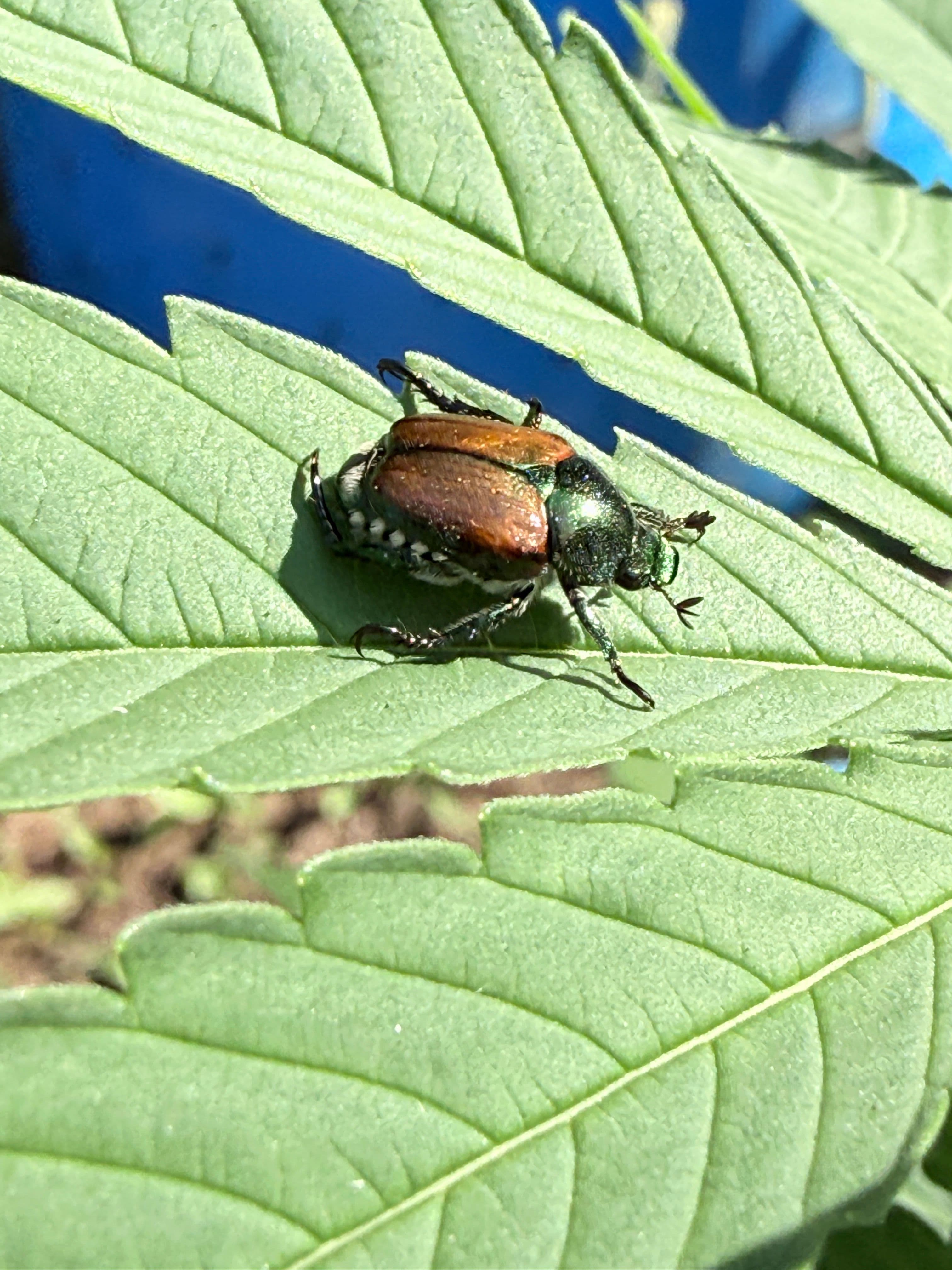
- Marigold, already useful against the Japanese beetle and whiteflies, also adds to this protection.
- These plants reduce settlement risk but don't replace treatment once an infestation is already active.
- Plant them early in the season so they're effective before the July–August peak risk.
Why do these plants repel spider mites?
Spider mites, like many sap-sucking pests, avoid areas with a high concentration of strong aromatic compounds. Chives, basil, and garlic release sulfurous or intense scents that disrupt their settlement, while cilantro and marigold add to this effect by also attracting beneficial insects that feed on mites.
Which companion plants should you use against spider mites?
Four plants stand out for their availability in Quebec and their documented effect against spider mites.
1. Chives (Allium schoenoprasum)
Mode of action: its sulfur compounds, similar to garlic's, limit mite settlement nearby. How to use it: as a border or light interplanting between cannabis plants. Bonus: edible and easy to maintain, it also repels certain aphids.
2. Garlic (Allium sativum)
Mode of action: its sulfur compounds (allicin) are repellent to a broad range of pests, including spider mites — the same mechanism already used against the Japanese beetle. How to use it: interplanted, or as an infusion sprayed directly on the plants (see the recipe below). Practical advantage: if you're already growing garlic against the Japanese beetle, it protects against spider mites at the same time.
3. Basil (Ocimum basilicum)
Mode of action: the linalool it releases disrupts spider mite orientation and settlement in the same way against several sap-sucking pests. How to use it: interplanted nearby, pinched regularly to keep its foliage active.
4. Cilantro (Coriandrum sativum)
Mode of action: its strong scent makes the area less attractive, and its flowers attract beneficial predatory insects that feed on mites. How to use it: as a border or interplanted, letting some plants flower to attract beneficials.
How do you prepare a repellent garlic infusion?
This homemade recipe works both as a preventive repellent and as a light contact treatment on populations already present.
- Boil 1 liter of water and add several blended garlic cloves.
- Let it steep for 12 to 24 hours.
- Strain the mixture, then dilute it with an equal volume of water in a sprayer.
- Spray on affected or at-risk plants once a week.
FAQ
Are companion plants enough to eliminate an active infestation?
No. They reduce settlement risk, but an established infestation requires the treatments covered in our [complete guide to spider mites](/en/articles/spider-mites-cannabis): increased humidity, insecticidal soap, neem oil, and *Phytoseiulus persimilis*.
Can the garlic infusion replace insecticidal soap?
It's a good preventive complement, but its contact action remains lighter than that of insecticidal soap or neem oil on an already established population. Combine both for the best results.
Does cayenne pepper also work against spider mites?
Yes, its capsaicin acts as a repellent through its burning taste and strong odor, but it isn't grown as a companion plant per se — it's used more as a spray, in a way similar to the garlic infusion. For a complete overview of all cannabis pests, check out our [practical guide to the cluster](/en/articles/cannabis-pests-practical-guide).
19+ | Educational horticulture only.