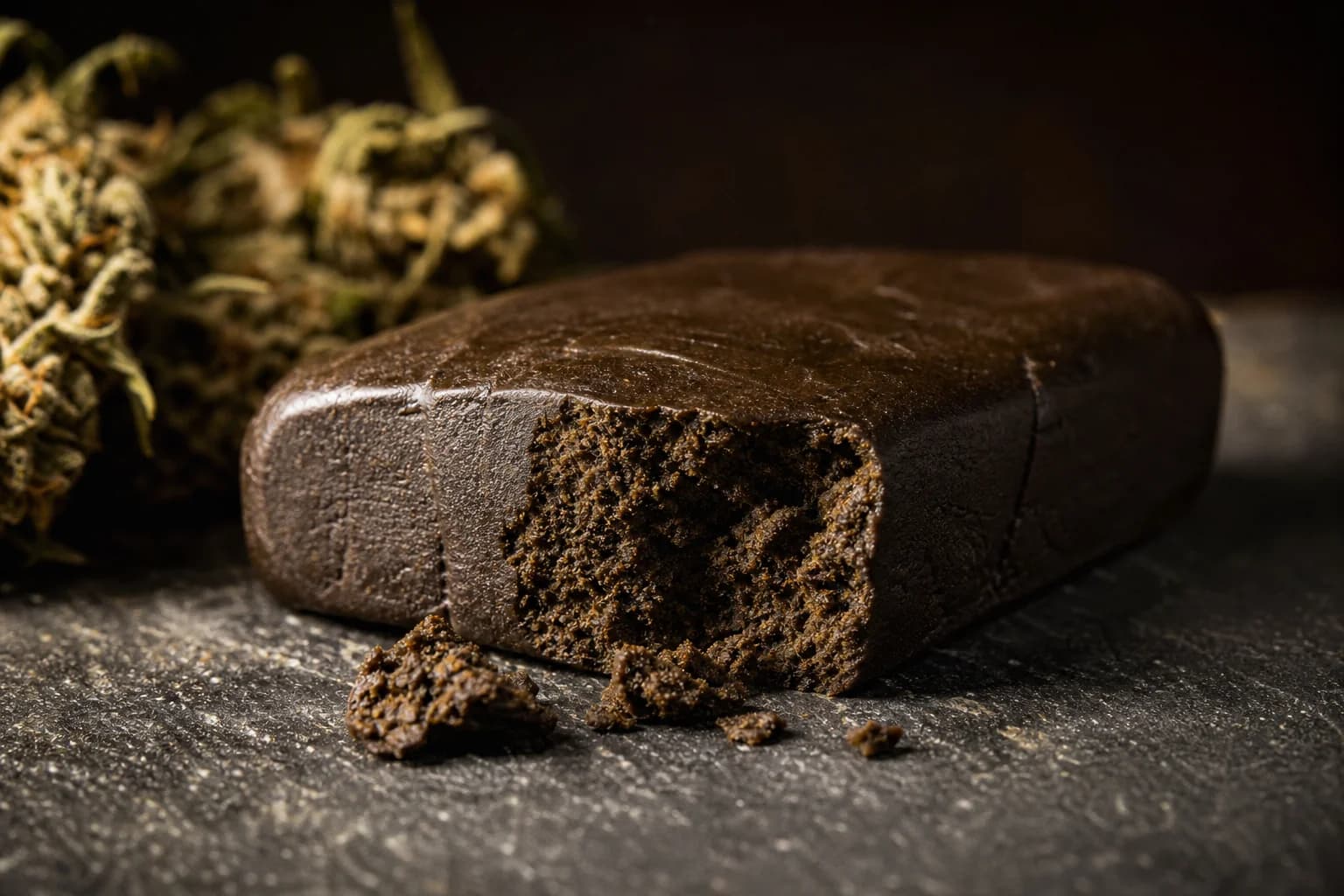
Hash, Rosin, Resin & More
Cannabis Extracts & Concentrates
Live Resin vs Live Rosin: What's the Difference?
Live resin vs live rosin compared: solvent vs solventless, terpene preservation, potency, legality in Canada. Which premium concentrate is right for you?
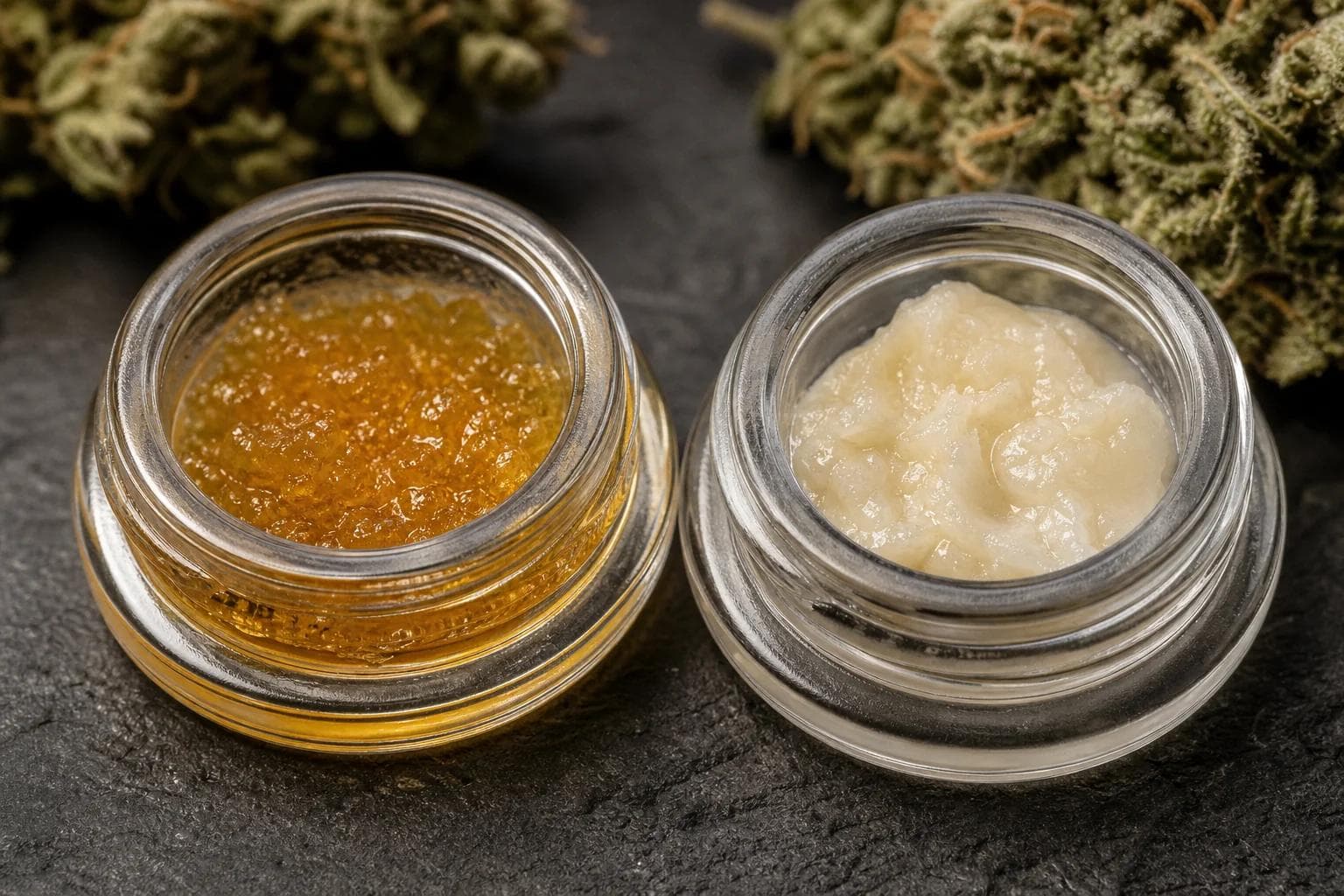
Live resin uses hydrocarbon solvents (butane or propane) to extract fresh-frozen cannabis; live rosin uses only ice water, heat, and pressure — no solvents. Both preserve volatile terpenes better than dry-cure extracts. Live rosin typically costs CA$60–120/g vs CA$30–60/g for live resin. The right choice depends on your budget, consumption method, and how much the solventless process matters to you.
Live Resin vs Live Rosin — Solvent vs Solventless
Two premium fresh-frozen concentrates compared
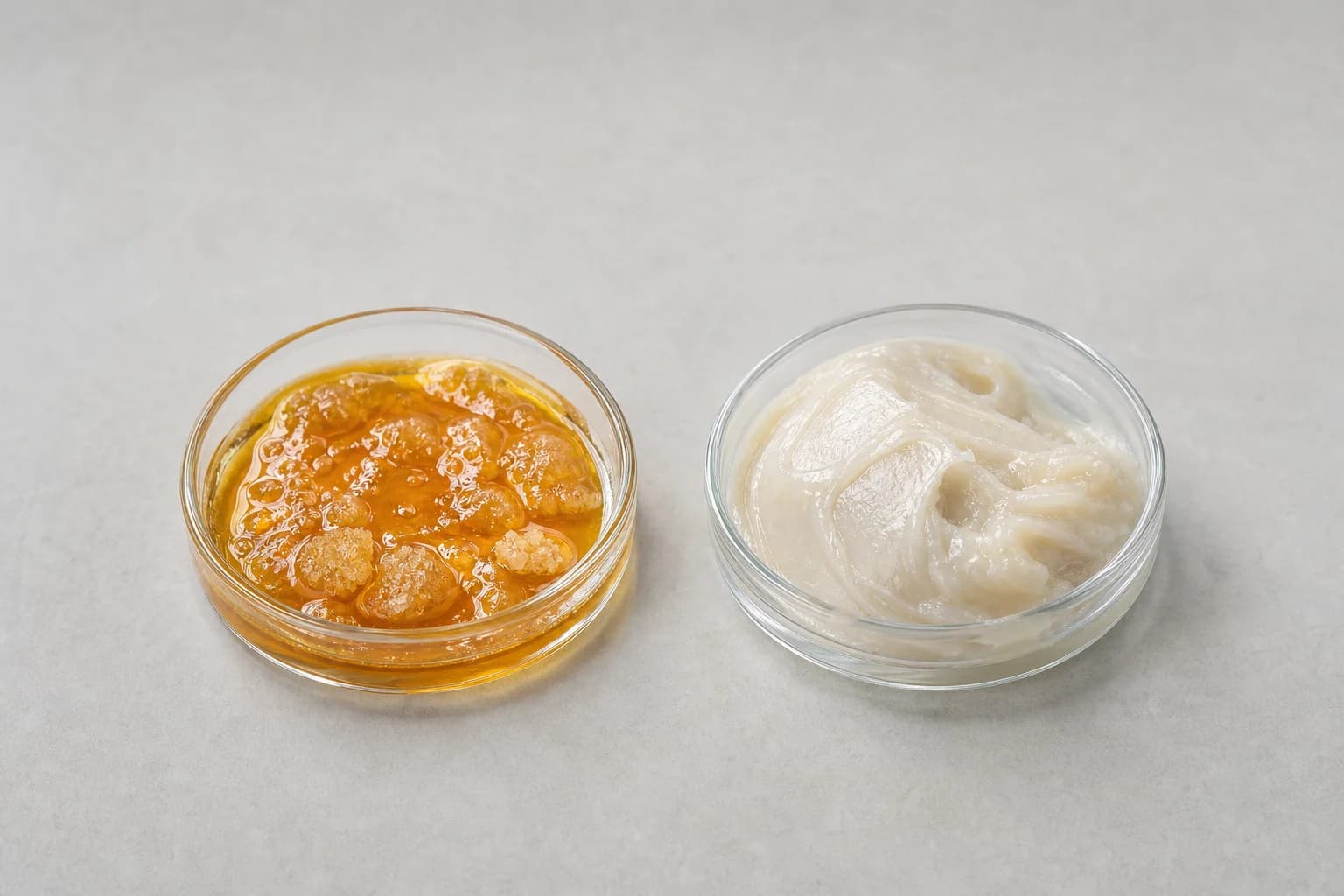
Live Resin
- •Solvent-based (fresh-frozen BHO)
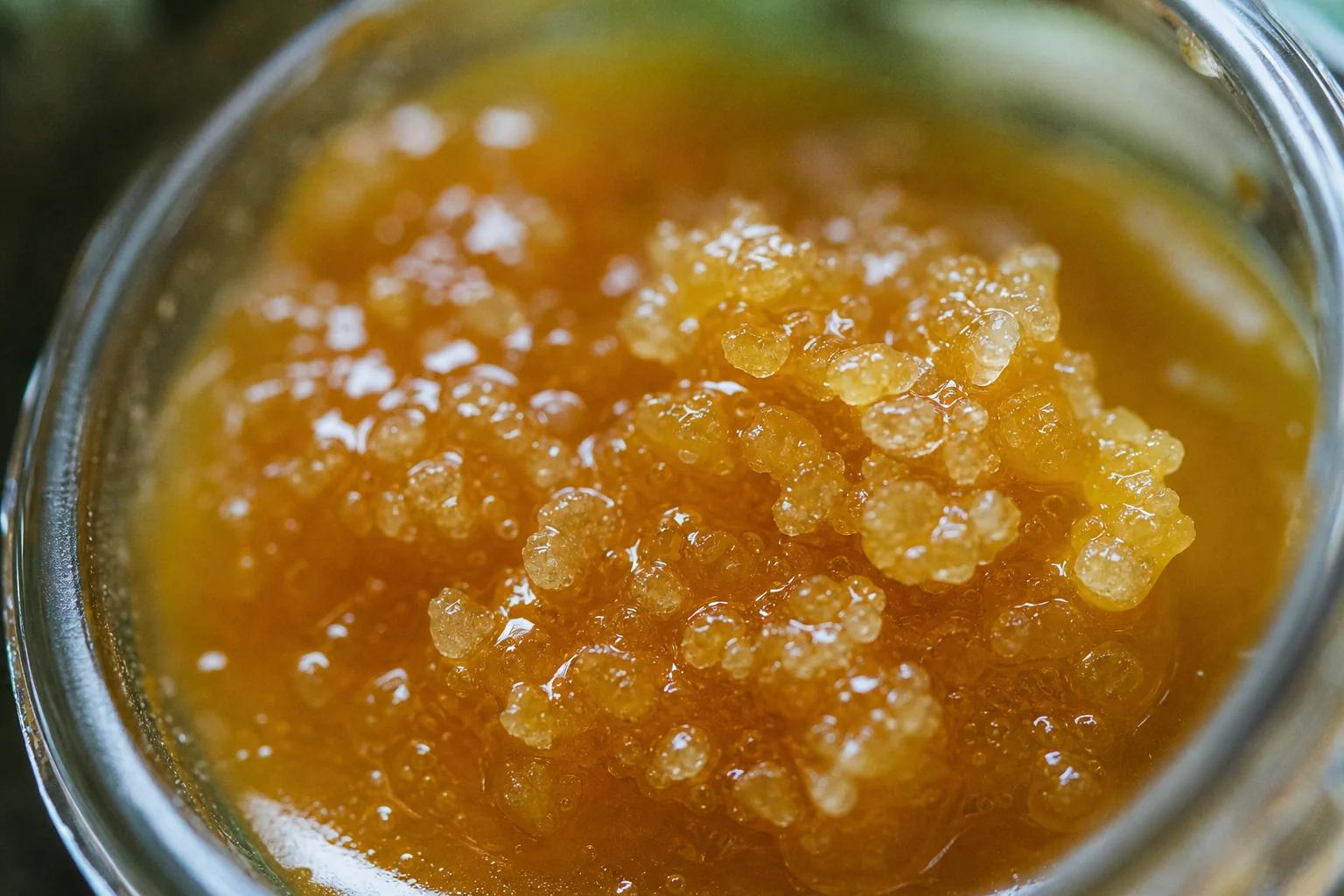
- •Saucy texture with THCA diamonds
- •Intense terpene preservation
Live Rosin
- •Solventless (heat + pressure)
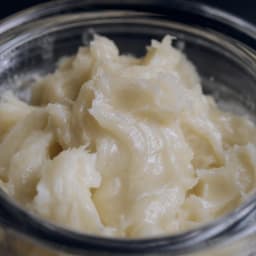
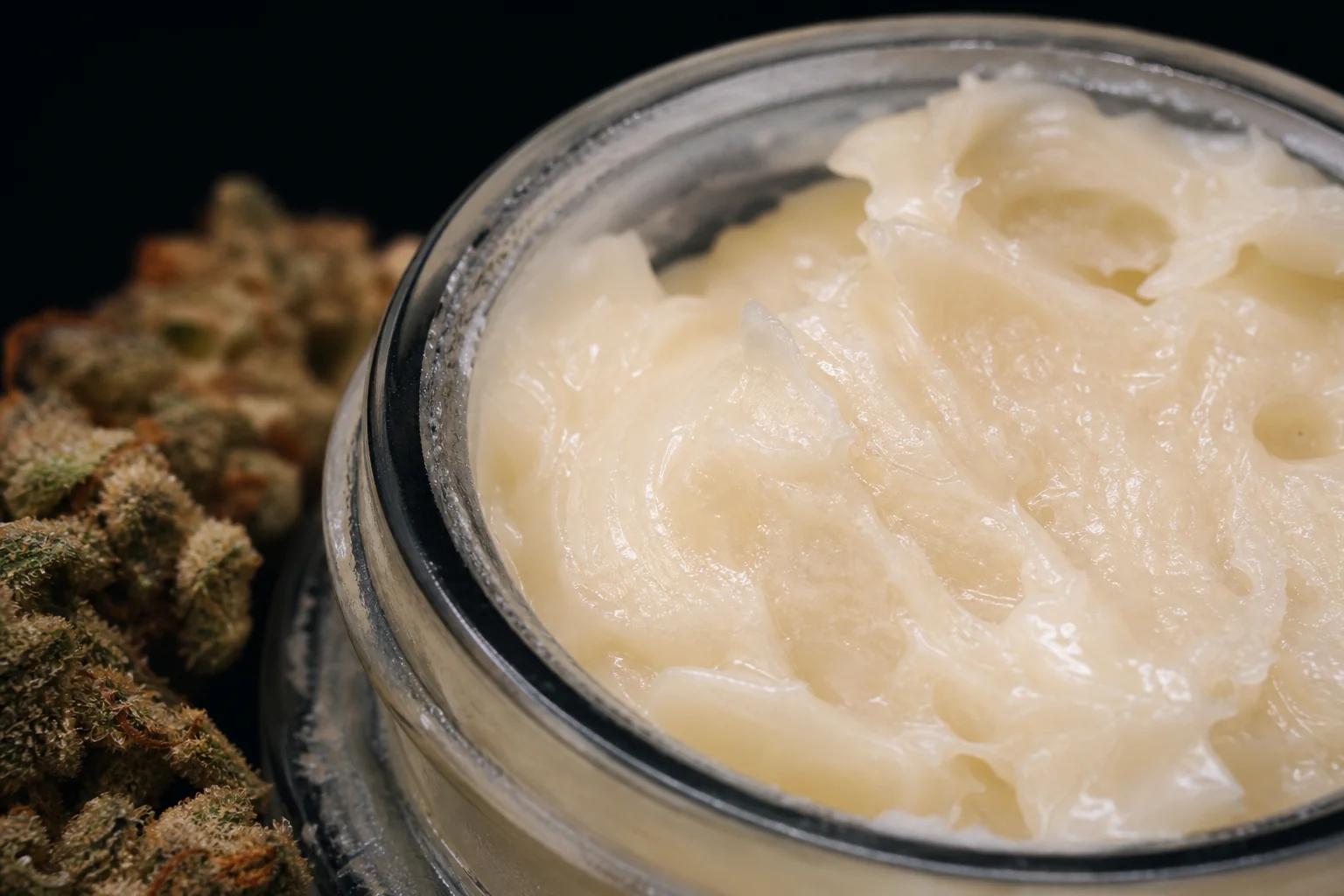
- •Milky white, cold-cured badder texture
- •Premium connoisseur-grade
You've seen both names on the dispensary menu. They sound nearly identical, they both sit in the premium tier, and the difference rarely gets explained in plain terms. This guide does exactly that.
Live resin and live rosin share one fundamental thing: they both start with fresh-frozen biomass — flower harvested and immediately frozen to lock in the full terpene and cannabinoid profile before anything degrades. After that, the paths diverge completely. One runs through a closed-loop hydrocarbon extraction system. The other never touches a solvent. That single difference drives everything downstream: texture, flavour, price, format compatibility, and — if you grow your own — which genetics are actually worth running through a press or a closed-loop column.
What's the Difference Between Live Resin and Live Rosin?
Live resin is a solvent-based cannabis concentrate extracted from fresh-frozen flower using hydrocarbons — most commonly butane (BHO), propane, or a blend. Live rosin is a solventless concentrate made by processing fresh-frozen flower into ice water hash first, then pressing that hash under heat and pressure. Both are premium concentrates. The extraction path — and everything that follows from it — is fundamentally different.
The "live" modifier in both names refers to the starting material, not the method. Pull that prefix off and you have ordinary resin (from dry-cured trim) or ordinary rosin (from dried kief or hash). The live designation is what commands a premium on both sides of the menu — and understanding why starts with understanding what it actually means.
What Does "Live" Mean in Live Resin and Live Rosin?
"Live" means the cannabis was fresh-frozen — harvested at peak ripeness and immediately brought to −40 °C (−40 °F) before any drying or curing could occur. This step preserves volatile monoterpenes (compounds like myrcene, limonene, terpinolene, and ocimene) that begin degrading within hours of harvest through oxidation, enzymatic activity, and simple evaporation.
Standard dry-cure processing — the default route for most cannabis — loses a meaningful portion of the total monoterpene fraction before extraction even begins. Monoterpenes have boiling points between roughly 150–185 °C and are structurally more volatile than heavier sesquiterpenes like caryophyllene and humulene, which survive drying far better. "Live" extraction was developed specifically to hold onto that lighter, more aromatic layer of the terpene profile.
For a grower finishing outdoor plants in late September, the practical implication is immediate: flash-freeze your fresh-cut biomass the same day as harvest — before any moisture loss — and you preserve the terpene profile that makes live-grade extraction worth doing. Wait a full day, and you've already surrendered part of what makes it "live." When and How to Harvest Cannabis
How Is Live Resin Made?
Live resin production begins the moment the plant is cut. Trimmed flower — or whole plant material, depending on the operator — goes directly into a deep freezer at −40 °C or below. From there, the process unfolds in four stages:
1. Hydrocarbon extraction — The frozen biomass is loaded into a certified closed-loop extraction column. Liquefied butane, propane, or a blend is pushed through the material under controlled pressure. The solvent dissolves the resin — cannabinoids and terpenes alike — from the trichome heads into solution, leaving plant matter behind.
2. Collection and separation — The solvent-laden extract is collected in a secondary vessel. Depending on the target product, lipids and waxes may be removed through winterization (a cold ethanol soak followed by filtration), producing a cleaner base extract.
3. Solvent purging — The extract goes into a vacuum oven at gentle temperatures (typically 29–38 °C / 85–100 °F) to drive off residual hydrocarbons. A thorough purge cycle runs 24–72 hours, depending on extract thickness and the operator's quality standards.
4. Post-processing into texture — The purged extract is worked into its final form: sauce (fluid, high-terpene), badder (whipped and creamy), sugar (grainy, crystalline), or diamonds and sauce (isolated THCa crystals suspended in a terpene-rich mother liquor, sometimes labelled HTFSE — high-terpene full-spectrum extract).
Under Canada's Cannabis Act, Health Canada establishes maximum residual solvent limits for all cannabis extracts sold through licensed channels. Licensed producers must test and certify that finished live resin meets these tolerances before anything reaches retail. Properly produced commercial product from a licensed facility is not a solvent-soaked substance — it's a precision-extracted concentrate that has been thoroughly purged and analytically verified.
How Is Live Rosin Made?
Live rosin takes a longer and considerably more labour-intensive route — which directly explains why it costs more. The production path has two major stages.
Stage 1 — Ice Water Hash Extraction
Fresh-frozen biomass is agitated in near-freezing ice water. The combination of cold and mechanical action causes the trichome heads to separate cleanly from the plant material. The resulting slurry is run through a series of micron bags — typically stacked at 25 µm, 45 µm, 73 µm, 90 µm, and 120 µm — that filter the trichomes by diameter. The 45–73 µm fraction typically yields the highest-quality material: round, fully intact capitate-stalked heads that produce premium full-melt hash, what concentrate culture calls 6-star grade.
This ice water hash — also called bubble hash — is spread on parchment trays and freeze-dried to remove residual moisture before pressing begins. What Is Hash? Complete Guide to Cannabis Hash Types
Stage 2 — Rosin Pressing
The dried hash is loaded into micron filter bags (typically 25–37 µm for hash rosin, to prevent plant matter contamination) and placed between the heated plates of a rosin press. For live hash rosin, the temperature window is precise: 180–200 °F (82–93 °C). Too low and yield suffers; too high and the lighter terpene fraction begins to volatilize off the plates before it ever makes it to the jar. Pressure — typically 300–1,000 PSI depending on the press and the input material — is applied, and the rosin flows out onto parchment.
Post-press, you're choosing between two textures:
- Fresh-press — collected immediately, runny and highly aromatic
- Cold-cure — jarred and held at 40–55 °F for days to weeks, causing cannabinoids to nucleate into a budder-to-jam consistency with muted colour and exceptional terpene depth
Live Resin vs Live Rosin: Side-by-Side Comparison
Is Live Rosin Stronger Than Live Resin?
Not necessarily — and raw THC percentage is the wrong metric. On paper, some live resin products actually test higher in THCa than live rosin, because the hydrocarbon process efficiently strips and concentrates cannabinoids. High-end live resin diamonds and sauce can push 80–90%+ THCa. Premium live hash rosin typically lands in the 65–85% range.
At these concentration levels, both products are well above the threshold where marginal differences in THC percentage have a detectable effect. The more meaningful question is about effect character, not raw potency numbers — and that's a terpene conversation, not a percentage one.
Does Live Rosin Get You Higher Than Live Resin?
The entourage effect is the relevant framework here, not THC percentage. When a concentrate preserves more of the intact terpene matrix — including the volatile monoterpenes most at risk during processing — the experience tends to be more complete and layered than a high-THC product with a stripped profile.
Live rosin, made without solvent contact, theoretically preserves the most intact full-spectrum terpene expression of any concentrate category. That said, expertly made live resin — particularly HTFSE or resin sauce from a quality producer — is extremely terpene-expressive and produces complex, high-quality effects. The gap between excellent live resin and excellent live rosin is narrow for most consumers. The gap between mediocre live resin and top-shelf live rosin is not. Cannabis Terpenes Guide
Why Is Live Rosin So Much More Expensive?
Live rosin costs more because it requires more of everything: more biomass input, more processing time, more manual labour, and more specialized equipment — at every stage of production. The price premium reflects real production economics, not marketing.
Breaking it down:
- Lower yield. Ice water hash extraction recovers a smaller fraction of available resin than hydrocarbon extraction. Pressing that hash into rosin loses additional yield to the micron bag. The cumulative gram-of-output-per-gram-of-input is significantly lower than a hydrocarbon run.
- Higher biomass cost. Because yield is lower, you need more premium fresh-frozen starting material to hit a production target. In a licensed-producer context — and in a home-grow context — that biomass cost compounds quickly against a smaller output volume.
- Labour intensity. Hydrocarbon extraction runs are largely automated inside a closed-loop system. Ice water hash production requires manual agitation, careful multi-stage micron-bag filtering, and supervised freeze-drying. Rosin pressing is batched by hand, one press at a time, with parchment collection and individual jar handling.
- Equipment capital. A complete solventless setup — industrial ice water vessel, full micron-bag set, commercial freeze dryer, temperature-controlled rosin press — carries a substantial upfront cost before a single gram is pressed.
- Supply scarcity. In Canadian dispensaries, you'll typically see live resin at CA$30–60 per gram and live rosin at CA$60–120 — roughly double at the entry point, sometimes more for limited craft runs from smaller producers.
Is Live Rosin Healthier Than Live Resin Because It's Solventless?
Live rosin contains no residual solvents — that is the primary safety distinction — but properly produced and tested commercial live resin from a licensed producer is also safe to consume. The health difference is less dramatic than solventless advocates sometimes claim.
Under the Cannabis Act, Health Canada mandates residual solvent testing for all cannabis extract products sold through licensed retailers. Products that fail to meet established limits cannot legally reach retail shelves. In practice, commercial live resin from regulated Canadian producers will have residual solvent levels that fall well within regulatory tolerances — the same oversight regime that governs food-grade processing standards.
The distinction matters considerably more in unregulated contexts: home BHO, grey-market product, or improperly purged extract can carry meaningful residual solvent loads. For products purchased through licensed retailers in provinces like Ontario, British Columbia, or Alberta, both types have passed analytical testing before reaching the display case.
If you have respiratory sensitivities, concerns about any inhaled solvent exposure, or simply prefer the process certainty of knowing nothing synthetic was involved — live rosin is the rational choice. For most consumers buying from licensed sources, the health distinction within regulated products is minimal.
Is Live Resin or Live Rosin Better for Dabbing?
Both are designed for dabbing, but they behave differently on a rig — and the optimal approach depends on texture and temperature preference. What Is a Dab Rig? Beginner's Guide to Dabbing Cannabis Concentrates
Live resin on a dab rig:
- Sauce and HTFSE: Highly fluid. Best at low temperatures, roughly 315–400 °F (157–204 °C), where the terpene expression is maximally pronounced and the vapour is smooth and flavorful. Diamonds dab cleanly at slightly higher temps.
- Badder: More forgiving to handle and tool — consistent melt at low-to-mid temperatures, good for daily-driver dabbing without finesse required.
- Fresh-press: Higher viscosity than live resin sauce; benefits from a slightly warmer nail (340–420 °F / 171–216 °C) to melt cleanly without pooling.
- Cold-cure budder / jam: Handles easily with a dab tool and melts smoothly at low temps. Cold-cure live rosin is widely regarded as the benchmark dabbing experience — the terpene expression is full, the vapour is clean, and the effect profile is layered in a way that's hard to match.
Can You Vape Live Rosin in a Cartridge?
Live rosin can be used in vape cartridges, but it requires specialized hardware and is more limited than live resin for this format. Standard 510-thread cartridges engineered for distillate oil are designed for thin, low-viscosity liquids. Cold-cure or jam live rosin is far too thick and waxy to flow through standard wick-and-coil hardware — it will clog within minutes.
Live rosin cartridges require either:
- Heat-rated ceramic-core hardware with wider internal channels designed for rosin viscosity
- Minor terpene-addition blending to reduce viscosity — a practice that dilutes the solventless premise somewhat, though quality producers minimize this
Which Strains Produce the Best Live Resin vs Live Rosin?
Genetics are the foundation of extraction quality — and it's the question the concentrate industry rarely answers directly. Not all cannabis is worth pressing or blasting. Both premium live resin and live rosin demand starting material with exceptional trichome density, high resin volume, and a terpene profile that justifies the extraction effort.
What to look for in extraction-grade biomass:
For live rosin, the critical trait is hash washability — how cleanly the trichome heads detach during ice water agitation and pass through micron bags without breaking or contaminating with plant matter. Strains with stalked capitate-stalked trichomes separate more cleanly than those with primarily sessile structures. Dense resin coverage improves final rosin yield per input gram.
For live resin, the key traits are total resin volume and monoterpene richness. Because hydrocarbon extraction is efficient regardless of trichome structure, the priority is biomass that produces abundant, highly aromatic resin.
High-trichome genetics built for extraction:
Gorilla Glue #4 Feminized is a benchmark extraction strain. Bred for extreme resin production, with a thick fuel-forward terpene profile dominated by caryophyllene, myrcene, and limonene. Growers describe it as a "smear-and-return" strain — resin smeared on a surface stays tacky rather than drying out. Hash washability is solid; rosin yield is above average; the hydrocarbon-extracted sauce is a recognizable benchmark product. What Is Kief? Cannabis Trichome Powder Explained
GMO Cookies Feminized produces some of the heaviest trichome coverage in contemporary genetics, with a complex savory-diesel terpene profile driven by caryophyllene, limonene, and myrcene. It has become a sought-after solventless strain specifically because the cold-cure live rosin tends to press pale, expressive, and distinct from nearly anything else on the concentrate menu.
Wedding Cake Feminized delivers consistent, dense resin coverage with a sweet vanilla-cake terpene profile. Popular among concentrate producers for reliable output and predictable wash results. Rosin from Wedding Cake tends to press pale gold with pronounced limonene aromatics — an approachable starting point for growers wanting to try solventless work with their harvest.
Ice Cream Cake Feminized is a Wedding Cake descendant with denser trichome expression and a creamy dessert-forward terpene character. It's increasingly preferred for solventless production specifically — hash washability is excellent, and cold-cure live rosin from this strain consistently comes out light-coloured, viscous, and terpene-expressive in a way that performs well in both jars and purpose-built rosin cartridge hardware.
The genetics you grow upstream determine the quality of the concentrate downstream. Selecting strains for extraction-grade trichome production — rather than simply yield or ease of grow — is one of the most underused strategic decisions a home grower can make before dropping seeds. Curing and Storing Cannabis Buds
Live Resin vs Live Rosin: Which Should You Choose?
The right choice depends on what you value most — not on which concentrate is objectively superior. Both are premium products made from premium starting material. The decision is practical.
Choose live resin if:
- You want a vape cartridge — solvent-extracted carts are widely stocked across Canadian legal-market shelves
- You're in the premium tier but budget-conscious (roughly half the per-gram cost of live rosin)
- You dab regularly and prefer sauce, diamonds, or badder formats
- You want broad product selection and consistent availability from licensed producers
- You dab at low temperatures and want the cleanest, most intact terpene expression available
- Knowing that no solvents were involved matters to you — as a process preference or a wellness consideration
- You're exploring the top of the concentrate pyramid and want the craft experience that justifies the premium
- You grow your own and are considering home extraction — a quality rosin press and micron-bag set is a realistic equipment investment; a certified closed-loop BHO system is not
Craft solventless producers have been expanding across the Canadian legal market, and the premium that live rosin commands reflects a real production cost and a real qualitative difference at the top of the menu. That quality starts with genetics. What Is Rosin? Solventless Cannabis Concentrate Explained
FAQ
Is Live Resin Considered Solventless?
**No — live resin is not solventless.** It is extracted using hydrocarbon solvents, most commonly butane or propane. The confusion arises because "live" refers to the fresh-frozen starting material — not the extraction method. Live rosin is the solventless counterpart. Both products start from the same raw input; the "live" prefix describes only that input, not what happens to it.
Is Live Resin Stronger Than Distillate?
**Live resin typically tests lower in raw THC than distillate, but delivers a more complete full-spectrum effect.** Distillate is refined to 90–99% THCa through repeated refinement passes, which strips most terpenes and minor cannabinoids in the process. Live resin retains the full terpene and cannabinoid matrix of the original plant — including the minor cannabinoids and volatile terpenes that contribute to the entourage effect. Most experienced concentrate consumers find the experience richer and more nuanced despite the lower number on the lab panel.
How Long Do Live Resin and Live Rosin Stay Fresh?
**Both concentrates are best consumed within 6–12 months of production when stored correctly.** The primary enemies are heat, light, and oxygen exposure. Store in an airtight glass jar in a cool, dark location — a refrigerator is ideal for long-term preservation. Live rosin's terpene profile is particularly sensitive to temperature fluctuation: consistent cold storage preserves colour, consistency, and aromatics longer than room-temperature conditions. Opened jars should be consumed within a few weeks for peak quality. [LINK: What Is Kief? Cannabis Trichome Powder Explained | /en/articles/what-is-kief-cannabis]
Are Live Resin and Live Rosin Legal in Canada?
**Yes — both are legal cannabis products under the Cannabis Act when purchased from a licensed retailer.** Cannabis extracts, including both products, became legal under the "Cannabis 2.0" framework implemented in October 2019. [CITATION: Health Canada — Cannabis Act regulations and residual solvent limits | Government regulatory source] Licensed producers must meet Health Canada's production standards, analytical testing requirements, and packaging regulations before any extract product can be distributed through provincial retail channels. Purchasing from a licensed retailer in any province is the legal route.
Can You Make Live Rosin From Live Resin?
**No — live rosin cannot be made from live resin.** They are separate finished products, each derived directly from fresh-frozen biomass through incompatible processes. You cannot take finished live resin and press it into live rosin. Making live rosin requires starting from scratch with fresh-frozen flower and running the full ice water hash extraction before any pressing occurs. The names describe how each product was made, not what it contains — which is why the conversion path doesn't exist once extraction is complete. [LINK: Shatter vs Hash: What's the Difference? | /en/articles/shatter-vs-hash-comparison]
19+ | Educational horticulture only.