Master Your Indoor Grow
Indoor Growing Guides
Growing Cannabis Outdoors in Canada: Season Guide for Every Province
Complete guide to growing cannabis outdoors in Canada — provincial frost dates, best strains, soil prep, pest control, and harvest timing.
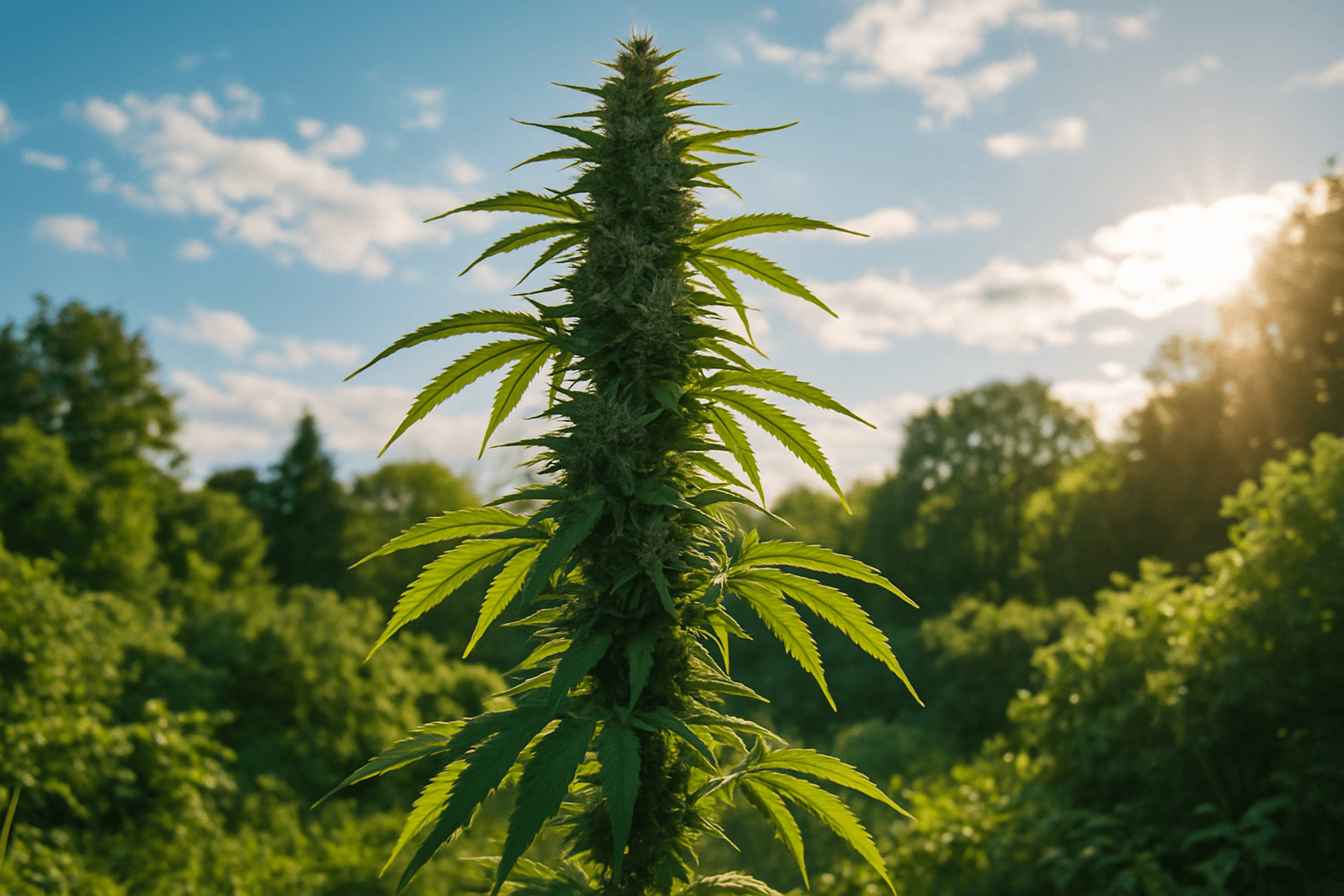
Your last spring frost date determines when to transplant outdoors, while your first fall frost date sets your harvest deadline—these regional frost calendars are essential for successful outdoor cannabis growing in Canada. BC coastal growers enjoy the longest season starting in early-to-mid April, supporting large photoperiod plants despite mold risks in wet falls. Southern Ontario and Quebec gardeners face a mid-May transplant window with a late-September to mid-October harvest, providing a solid window for full photoperiod varieties.
Understanding your regional frost calendar is the single most important piece of knowledge for a Canadian outdoor grower. The country spans an enormous range of climates, and your last spring frost date determines when you can safely transplant, while your first fall frost date sets your hard harvest deadline. Get this wrong and you risk losing plants to a late spring freeze, or worse — watching a heavy harvest succumb to early October snow before your trichomes have a chance to peak.
Beyond frost dates, Canadian growers also need to account for humidity swings, UV intensity at different latitudes, wind exposure, and the sheer variability within provinces. A grower on the Niagara Peninsula operates in a fundamentally different microclimate than one north of Sudbury — even though both are technically "Ontario." This regional awareness, combined with the right genetics, is what separates a successful Canadian outdoor grow from a failed one.
BC Coast (Vancouver Island, Lower Mainland): Last frost typically arrives in early-to-mid April, giving coastal growers the longest viable season in the country. Mild, wet falls mean mold vigilance is essential, but the extended window supports large photoperiod plants. BC coastal growers can start seedlings indoors as early as late February or March, harden them off through April, and transplant into the ground or large containers by late April to early May. This gives photoperiod plants three to four months of vegetative growth before the light cycle triggers flowering — which is how BC growers routinely produce enormous specimen plants. The tradeoff is the fall: persistent rain and morning fog from mid-September onward creates serious botrytis (bud rot) pressure. Proactive canopy management — lollipopping lower bud sites, increasing airflow, and selecting mold-resistant cultivars — is non-negotiable on the coast. Check dense colas daily once they start packing on weight.
Ontario and Quebec (Southern regions): Expect last frost around mid-May. Toronto and Montreal growers can run full photoperiod plants with a solid late-September to mid-October harvest window. Northern Ontario and Quebec push last frosts into late May or early June. In southern Ontario and Quebec, the continental climate offers warm summers with strong UV intensity — ideal for resin development. Start seedlings indoors in late April, harden off through the first two weeks of May, and transplant after the Victoria Day weekend as a reliable rule of thumb. The stretch between mid-August and late September is critical: temperatures are still warm but nights are cooling, pushing plants hard into flower. A well-prepared grower in the Montreal or Toronto corridor can pull impressive yields from a single photoperiod plant given enough container volume or in-ground space.
The Prairies (Alberta, Saskatchewan, Manitoba): Canada's toughest outdoor climate for cannabis. Last frost can run as late as late May to early June, and first fall frost can arrive as early as mid-September. This region strongly favours autoflowering varieties, which can complete their full cycle in 70–85 days regardless of light schedule — meaning a late-June transplant can still deliver a quality harvest before temperatures collapse. Prairie growers should not underestimate the intensity of summer sun at these latitudes — mid-July UV levels are genuinely high, and plants given adequate water and nutrients can grow aggressively during the long summer days. The strategy here is simple: start autoflowers indoors two weeks before your last frost date, transplant as soon as the soil is workable, and aim to have buds fully developed by late August to early September, well ahead of the first freeze risk. A second wave of autoflowers started in mid-June can also be attempted in Alberta's warmer southern zones, giving growers a staggered harvest. Wind protection is another Prairie-specific concern — install windbreaks on the north and west sides of your plot if possible, as sustained wind accelerates moisture loss and can physically stress plants.
Atlantic Canada (Nova Scotia, New Brunswick, PEI, Newfoundland): Last frosts range from mid-May in Nova Scotia to late May or beyond in Newfoundland. Humid maritime conditions create mold pressure, so strain selection is critical. The harvest window is tight: aim for late September to early October. Atlantic growers benefit from the same strategic approach as BC coastal growers — prioritize open, airy bud structure over sheer density, and select cultivars with documented mold resistance. New Brunswick's warmer inland valleys offer slightly more flexibility than coastal PEI or Newfoundland, but all Atlantic growers should treat mold prevention as a core part of their weekly workflow from the moment flowering begins. Calcium-silica foliar sprays during vegetative growth can help strengthen cell walls and improve the plant's natural resistance going into the humid fall stretch.
For most of Canada, the practical outdoor cannabis season runs from late May transplant to late September or early October harvest — roughly 120 to 140 days. Autoflowers unlock otherwise impossible grows in the coldest zones, and even in more temperate regions they offer growers the ability to run multiple shorter cycles or to supplement a main photoperiod grow with a fast-finishing second crop. Understanding where your province falls on the frost calendar — and planning your start dates accordingly — is the foundation everything else builds on.
Reading your plants accurately at harvest time is critical — but in Canada, you're always racing the calendar as much as you're reading trichomes.
Use a jeweller's loupe or digital microscope to examine trichomes up close. Milky white trichomes indicate peak THC development; amber trichomes signal degradation into CBN and a heavier, more sedative effect. Most growers target a mix of milky and early amber for a balanced result. In practice, this means checking trichomes every two to three days once you're in the final two weeks of flower — the window between peak milky and full amber can be surprisingly short, especially during a warm Canadian September. Focus your loupe on the trichomes of the bud itself, not the sugar leaves, which amber earlier and will give you a misleadingly mature reading.
In most Canadian provinces, mid-October is your firm deadline — whether your trichomes have reached your ideal window or not. A light frost can be survived if plants are covered overnight and uncovered during the day, but a hard freeze will destroy exposed buds. If an early cold snap is forecast and your plants are not quite ready, consider a controlled early harvest rather than gambling on the weather. Partially matured cannabis harvested at 80–90% trichome development is far better than a crop destroyed by frost or mold. Learn to harvest in stages if necessary: take the most exposed and mature top colas first, leaving lower and interior bud sites additional time to develop.
Outdoor cannabis cultivation in Canada rewards growers who respect the seasons, choose their genetics carefully, and prepare their growing environment with intention. The short window is real — but so is the potential for massive, sun-grown harvests that no indoor setup can replicate at the same cost. Whether you're on the mild BC Coast, pushing the limits on the Prairies, or navigating the humid Atlantic fall, there are PPS strains bred and selected to perform in your climate. Shop premium cannabis seeds Start with the right genetics, build healthy soil, stay ahead of pests and mold, and let the Canadian sun do the heavy lifting.
FAQ
When should I start seeds indoors for outdoor planting in my region?
Start timing your seeds based on your region's last spring frost date—typically late March to early April in BC, mid-May in southern Ontario and Quebec. Count backward 6–8 weeks from your transplant date to determine when to start seeds indoors, then harden seedlings off for 2–3 weeks before moving them outdoors. Starting too early wastes energy keeping seedlings under lights; starting too late cuts into your vegetative growth window before photoperiod triggers flowering.
How do I find my region's exact frost dates?
Check local agricultural extension services, provincial climate normals databases, or Almanac frost-date calculators specific to your postal code or nearest weather station. Your frost dates are critical—they determine both when you can safely transplant and your hard harvest deadline, so use historical 10–20-year averages rather than any single year's data.
What's the biggest difference between growing on the BC coast versus Ontario and Quebec?
BC coastal growers have a much longer season (early April to late October) that supports massive vegetative growth and multiple large plants, but face serious botrytis pressure from wet falls and must prioritize mold-resistant genetics and aggressive canopy management. Ontario and Quebec growers have a shorter window (late May to September) and must focus on quicker-finishing cultivars, but typically experience lower humidity and less bud rot risk than the coast.
How do I prevent bud rot and mold in a wet Canadian fall?
Lollipop lower bud sites to improve airflow, space plants generously to allow air circulation, scout dense colas daily once they start packing weight, and select genetics known to resist botrytis in humid conditions. Remove any rotting material immediately to prevent spread, and consider strategic pruning in late August to reduce overall canopy density before fall rains intensify.
Can photoperiod plants finish outdoors in Canada?
Yes, photoperiod plants can finish outdoors in most of Canada, but you need at least 3–4 months of uninterrupted vegetative growth before the light cycle triggers flowering—which is why the BC coast is ideal for photoperiod cultivation. In shorter-season regions like northern Ontario and Quebec, you'll have less flexibility, so plan your transplant date carefully and choose cultivars with appropriate finishing times for your first frost date.
19+ | Educational horticulture only.